Copyright © 2026 Beralon Pty Ltd. All rights reserved.
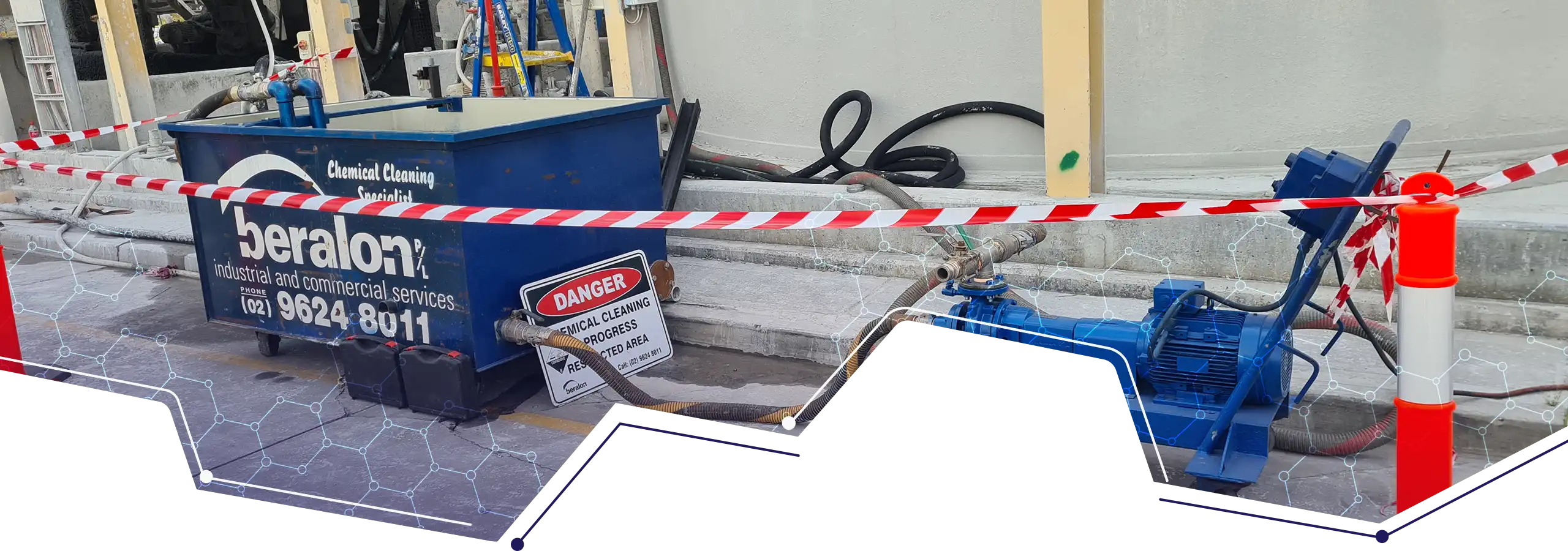
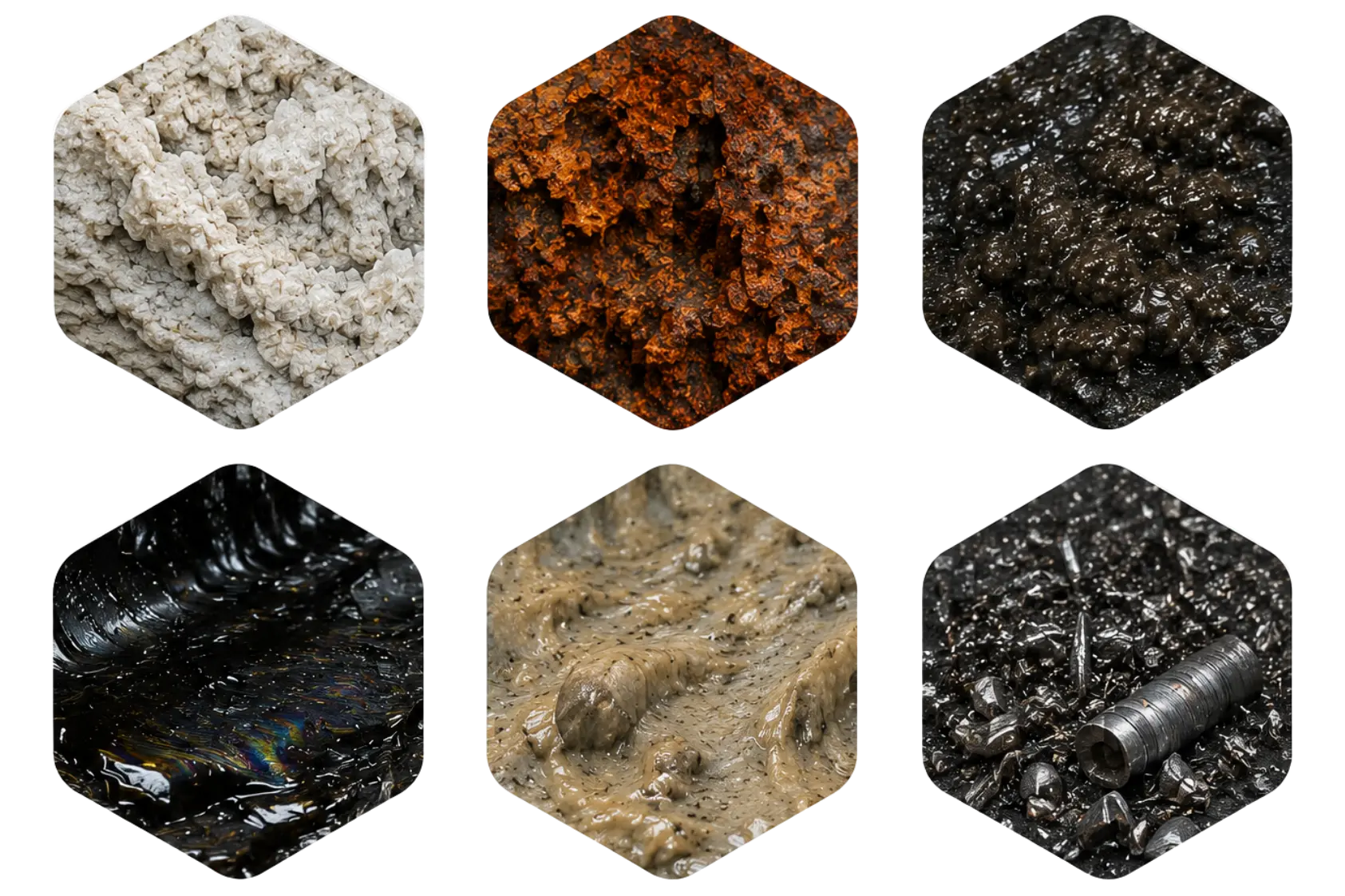


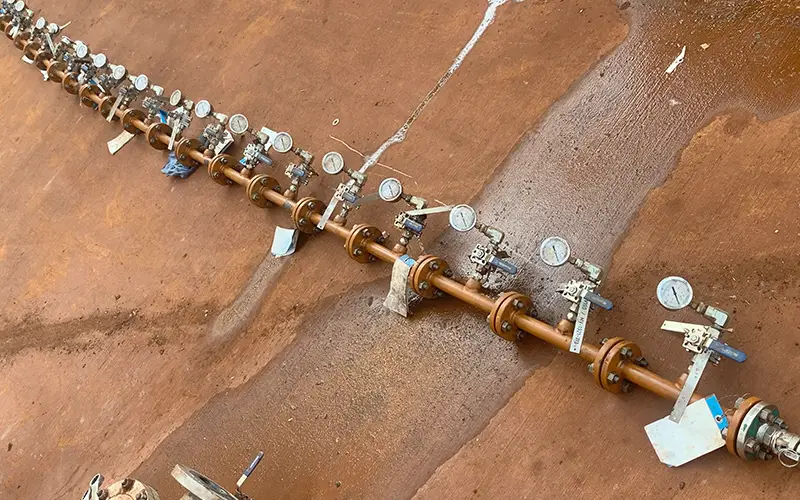
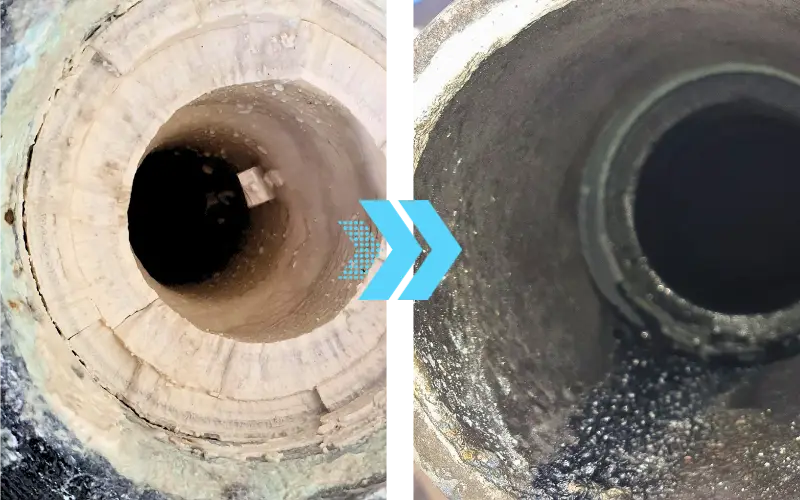
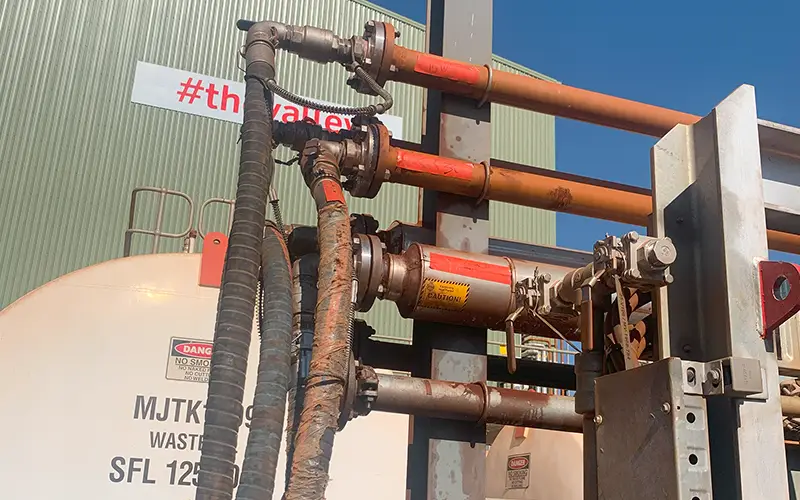
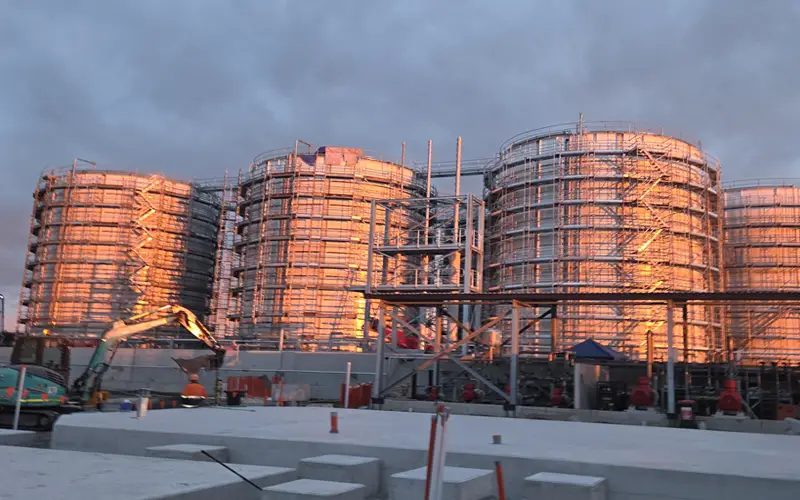
Chemical cleaning may be appropriate when scale, corrosion products, hydrocarbons or process residues are adhering to internal pipeline surfaces and affecting cleanliness or operation. It can also be used as part of pre-commissioning, shutdown, maintenance or system restoration work. The appropriate approach depends on the pipeline material, contamination profile, operating environment and project requirements.
New pipework can contain contamination even before it has entered service, including welding debris, scale, corrosion products, oils and residues from fabrication or commissioning activities. Pre-commissioning chemical cleaning can help remove this contamination and prepare the internal surfaces for operation.
Flushing primarily uses fluid movement to carry loose debris and contamination out of a pipeline. Chemical cleaning uses selected chemistry and controlled circulation to loosen or remove deposits such as scale, corrosion products, hydrocarbons and other residues from internal surfaces. The two processes can form different stages of the same cleaning program.
The cleaning process should be matched to the pipeline rather than using a single standard approach. Factors such as pipeline material, the type and level of contamination, operating environment and project specifications influence the cleaning program. Beralon also manages factors including chemistry selection, circulation flow, temperature and flushing procedures.
Yes. Chemical compatibility and cleaning requirements can differ depending on the pipeline material. Beralon provides chemical cleaning for both stainless-steel and carbon-steel piping systems, with each cleaning program developed around the material and contamination involved.
Chemical cleaning can pose a risk to pipeline materials if unsuitable chemistry or cleaning conditions are used. This is why the cleaning process needs to consider material compatibility and carefully control factors such as chemistry, circulation and temperature. Beralon's procedures are designed to remove contamination while protecting pipeline integrity.
Not necessarily. Whether passivation is appropriate depends on factors such as the pipeline material, cleaning chemistry and project requirements. Beralon lists passivation as one of the treatments that may form part of a pipeline chemical cleaning program rather than as an automatic step for every system.
Post-cleaning activities can include flushing and decontamination to remove loosened contamination and remaining cleaning residues. Depending on the cleaning program, passivation may also be included before the pipeline progresses to commissioning, recommissioning or its next stage of operation.
It can help where reduced flow or increased pressure loss is being caused by internal fouling or deposits. Removing scale, corrosion products, sludge and other contamination can help restore internal flow conditions. However, chemical cleaning will not address pressure or flow problems caused by unrelated system or equipment issues.