Copyright © 2026 Beralon Pty Ltd. All rights reserved.
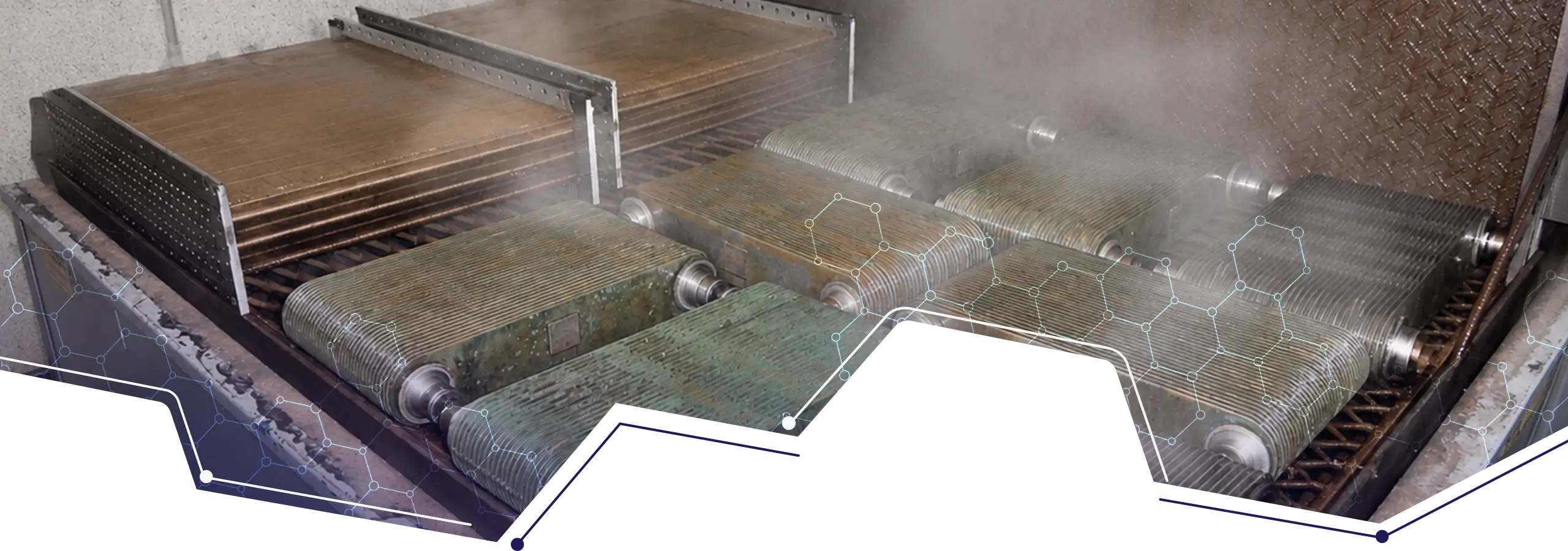
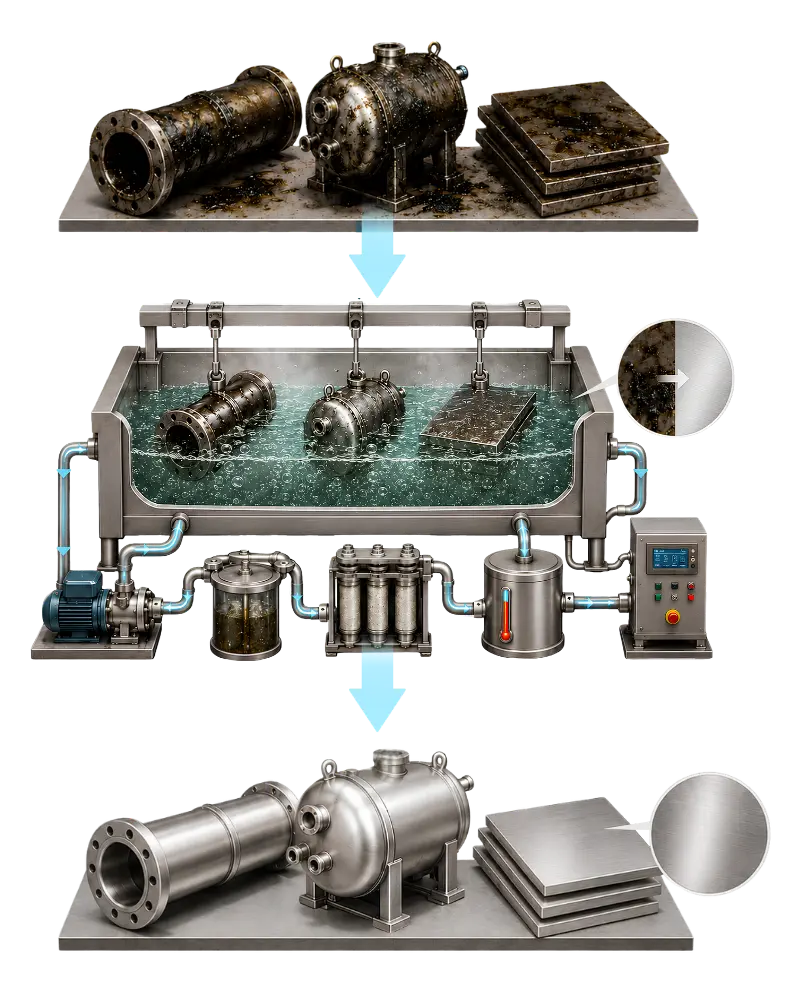





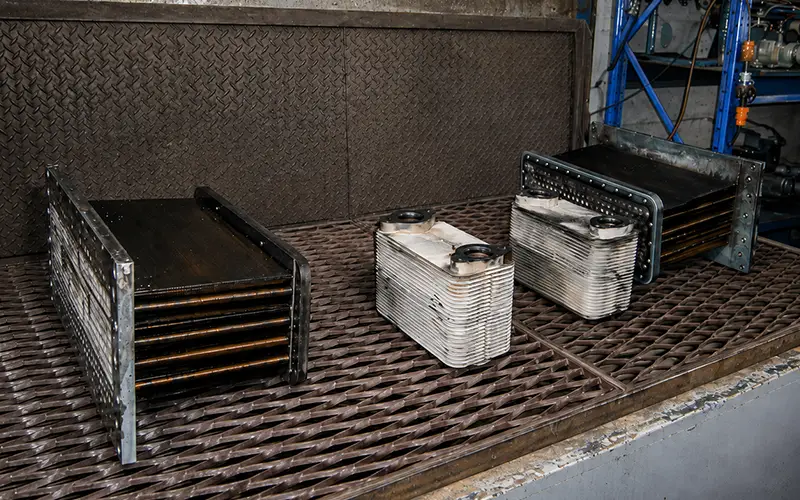
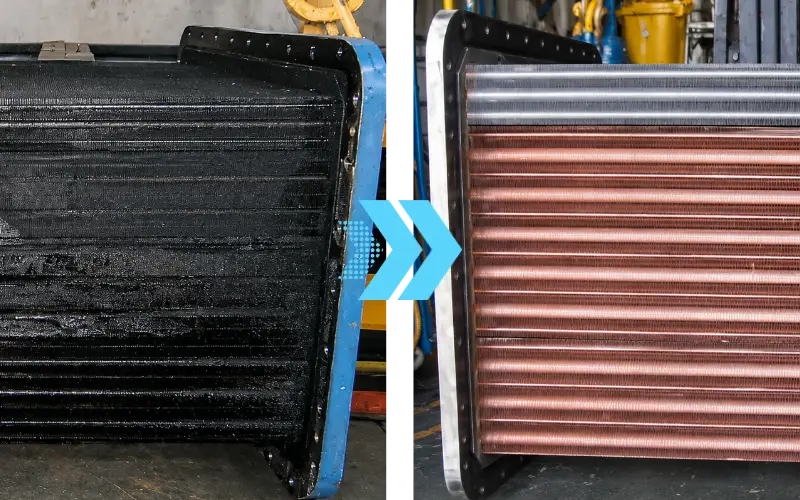

Hot alkaline cleaning is generally better suited to oily and organic contamination such as grease, hydrocarbons and carbon-based deposits. Acid cleaning is typically more appropriate for inorganic deposits such as mineral scale and oxides. The right approach depends on the contamination, equipment materials and required cleaning outcome.
Hot alkaline cleaning is primarily used for oils, grease, hydrocarbons and other organic or carbon-based contamination rather than mineral scale or rust. If inorganic deposits are also present, a different or additional chemical cleaning process may be required.
Heat can improve the cleaning action of an alkaline solution by helping loosen heavy oils and grease and making them easier to remove from equipment surfaces. The operating temperature needs to be controlled according to the cleaning chemistry, contamination and materials being treated.
No. Alkaline cleaning chemistry needs to be compatible with the materials being treated, as some metals, coatings and other components can be sensitive to highly alkaline conditions. Beralon tailors its cleaning procedures to factors including the equipment metallurgy, contamination level and operating conditions.
Hot alkaline cleaning is a form of industrial degreasing, but industrial degreasing is a broader category that can use different cleaning methods and chemistries. Hot alkaline cleaning specifically uses heated alkaline solutions to tackle heavy oil, grease and related contamination.
The right cleaning method depends on factors such as the type and severity of contamination, equipment materials, operating conditions and the required cleaning outcome. Beralon assesses factors including contamination level and metallurgy when developing its cleaning approach.
Yes, different cleaning stages may be appropriate when equipment contains more than one type of contamination. For example, alkaline cleaning can target oily or organic contamination while a different chemistry may be required for mineral deposits. The cleaning sequence should be selected for the specific system and materials involved.
It can help where oil, grease or carbon-based fouling is contributing to reduced heat transfer. Removing this contamination can help restore heat-transfer performance, while mineral scale or other deposits may require a different cleaning approach.
There is no single cleaning interval that suits every industrial system. Cleaning frequency depends on how quickly contamination builds up, operating conditions, equipment performance and maintenance requirements. Condition and contamination should therefore guide when cleaning is required.