Copyright © 2026 Beralon Pty Ltd. All rights reserved.
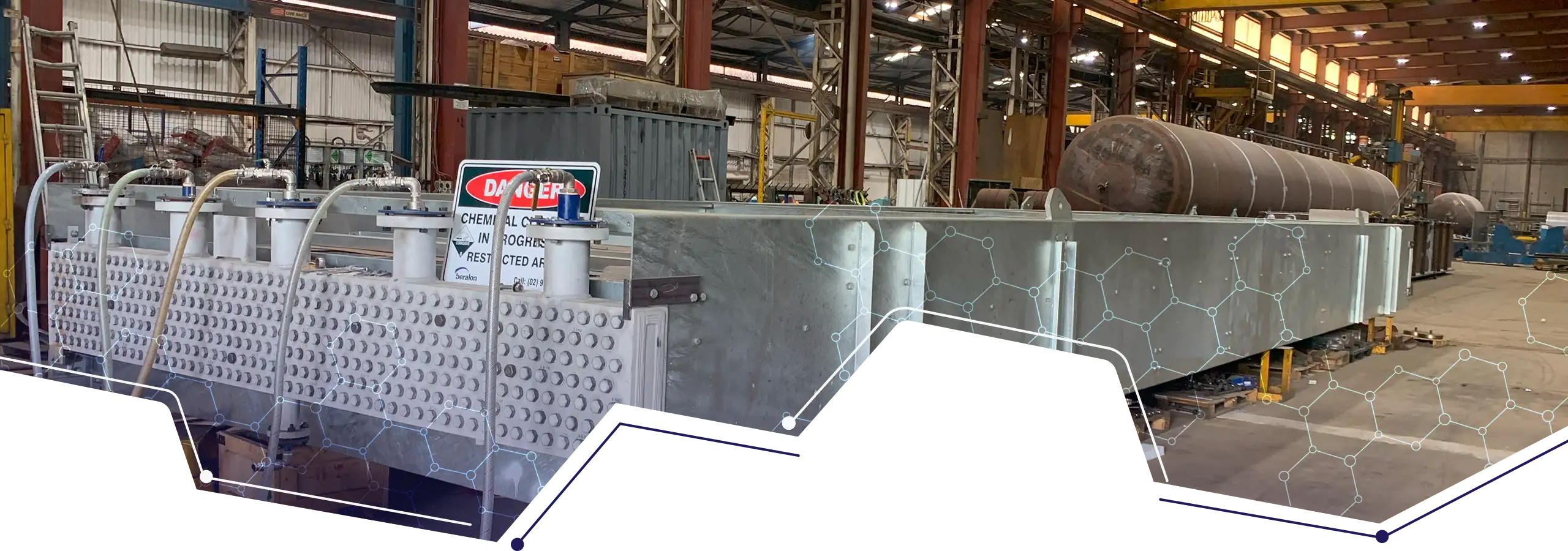
Large industrial heat exchanger with exposed tube sheet inside a workshop

Heat Exchanger Cleaning

Heat exchanger cleaning removes scale, sludge, fouling, corrosion products and process contamination from heat exchangers and thermal transfer equipment. Over time, contamination inside heat exchangers can significantly reduce heat transfer efficiency, restrict flow rates and increase energy consumption across industrial systems.

Beralon helps industrial facilities restore heat exchanger performance across Australia. Our cleaning services support operations within the oil and gas, manufacturing, energy, food processing, infrastructure and industrial sectors. Our cleaning programs are designed to restore thermal efficiency, improve operational reliability and support ongoing plant performance.

Heat exchangers play a critical role in maintaining process temperatures and system efficiency. Even minor fouling build-up can impact production output, increase operating costs and place additional stress on connected equipment.
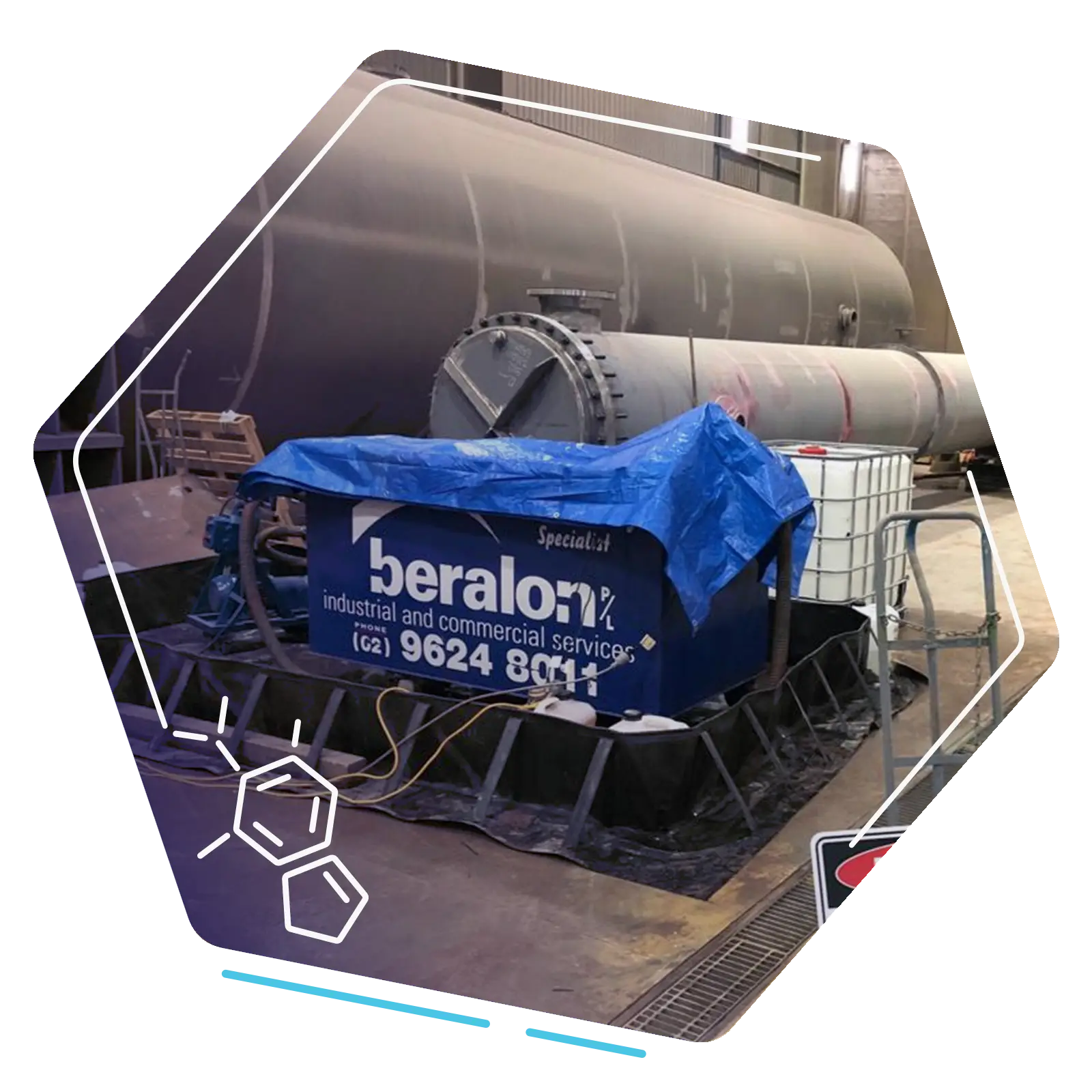
Beralon cleaning equipment positioned beside a large industrial heat exchanger inside a workshop
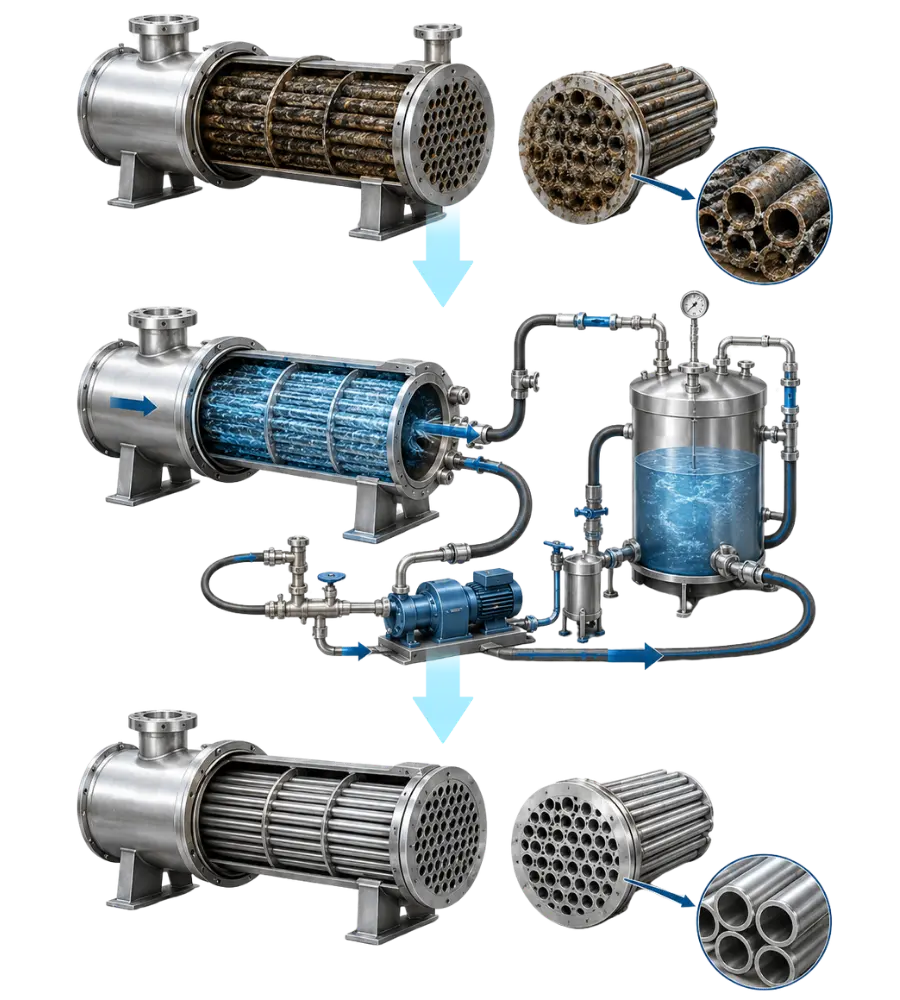
Illustration of a fouled shell-and-tube heat exchanger connected to a circulation cleaning system and shown cleaned afterwards

What Is Heat Exchanger Cleaning?

Heat exchanger cleaning is the process of removing internal and external contamination from heat exchanger systems to restore heat transfer performance and maintain efficient operation.

Heat exchangers commonly accumulate:

  • Scale and mineral deposits
  • Sludge and sediment build-up
  • Corrosion products
  • Biological fouling
  • Oil and grease contamination
  • Process residue and debris

As contamination builds inside tubes and cooling passages, systems become less efficient and require more energy to maintain operational temperatures.

Regular cleaning and maintenance helps restore performance while reducing the risk of overheating, reduced production efficiency and unplanned downtime.

Heat Exchanger Cleaning Services

Beralon provides heat exchanger cleaning services for:

Shell and tube heat exchangers

Plate heat exchangers

Condensers

Evaporators

Charge air coolers

Cooling systems and thermal transfer units

Industrial processing equipment

Our services may include:

Chemical descaling and decontamination

High-pressure tube cleaning

Internal circulation cleaning

Degreasing and flushing

Tube bundle cleaning

Performance restoration programs

Each cleaning program is developed around the exchanger type, metallurgy, contamination level and operating environment involved.

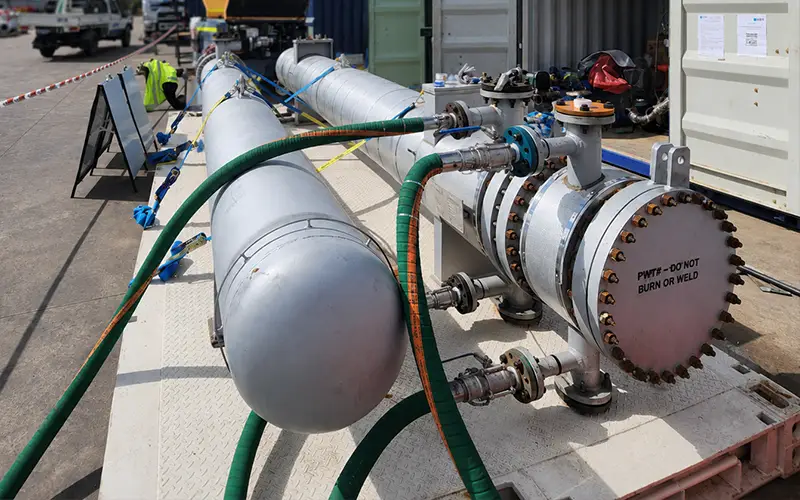
Industrial heat exchanger connected to hoses and circulation equipment during onsite cleaning

Benefits of Heat Exchanger Cleaning

Heat exchanger cleaning helps businesses to:

  • Restore heat transfer efficiency
  • Improve process performance
  • Reduce pressure loss and flow restrictions
  • Lower energy consumption
  • Improve cooling and thermal control
  • Extend equipment service life
  • Reduce downtime and maintenance issues

Effective cleaning and restoration helps industrial systems operate more efficiently while improving long-term equipment reliability.

Tube Cleaning & Thermal Performance Restoration

Beralon performs cleaning and restoration services for heat exchanger tubes, bundles and cooling systems using controlled cleaning procedures suited to the contamination and system design involved.

Our team applies cleaning methods designed to safely remove build-up while protecting tube integrity and exchanger surfaces. Cleaning procedures may involve chemical cleaning, circulation systems or high-pressure tube cleaning depending on the application requirements.

Performance restoration programs can be completed during planned shutdowns, preventative maintenance schedules or operational recovery works.

Heat Exchanger Fouling & System Efficiency

Heat exchanger fouling can develop gradually over time and often goes unnoticed until systems begin experiencing reduced performance or increased operating temperatures.

Common signs of fouling include:

  • Reduced thermal efficiency
  • Increased energy consumption
  • Pressure drop across the system
  • Restricted flow rates
  • Increased operating temperatures
  • Reduced production performance

Routine cleaning and inspection programs help businesses identify contamination early and maintain efficient plant operation.

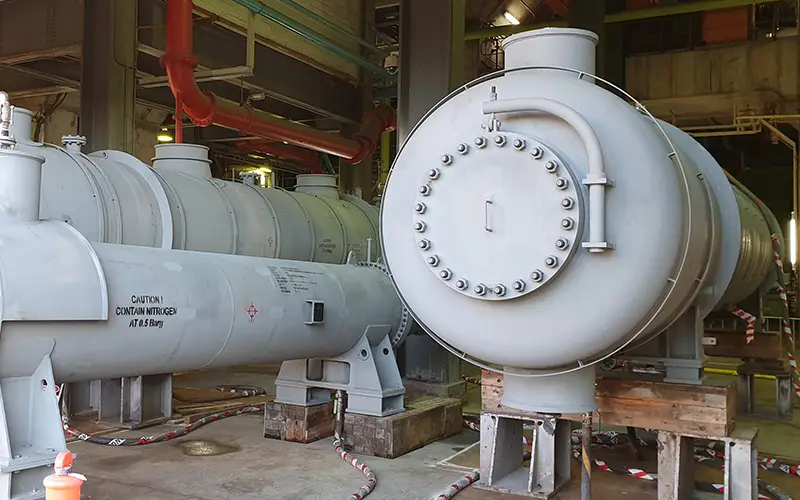
Large shell-and-tube heat exchangers installed inside an industrial facility
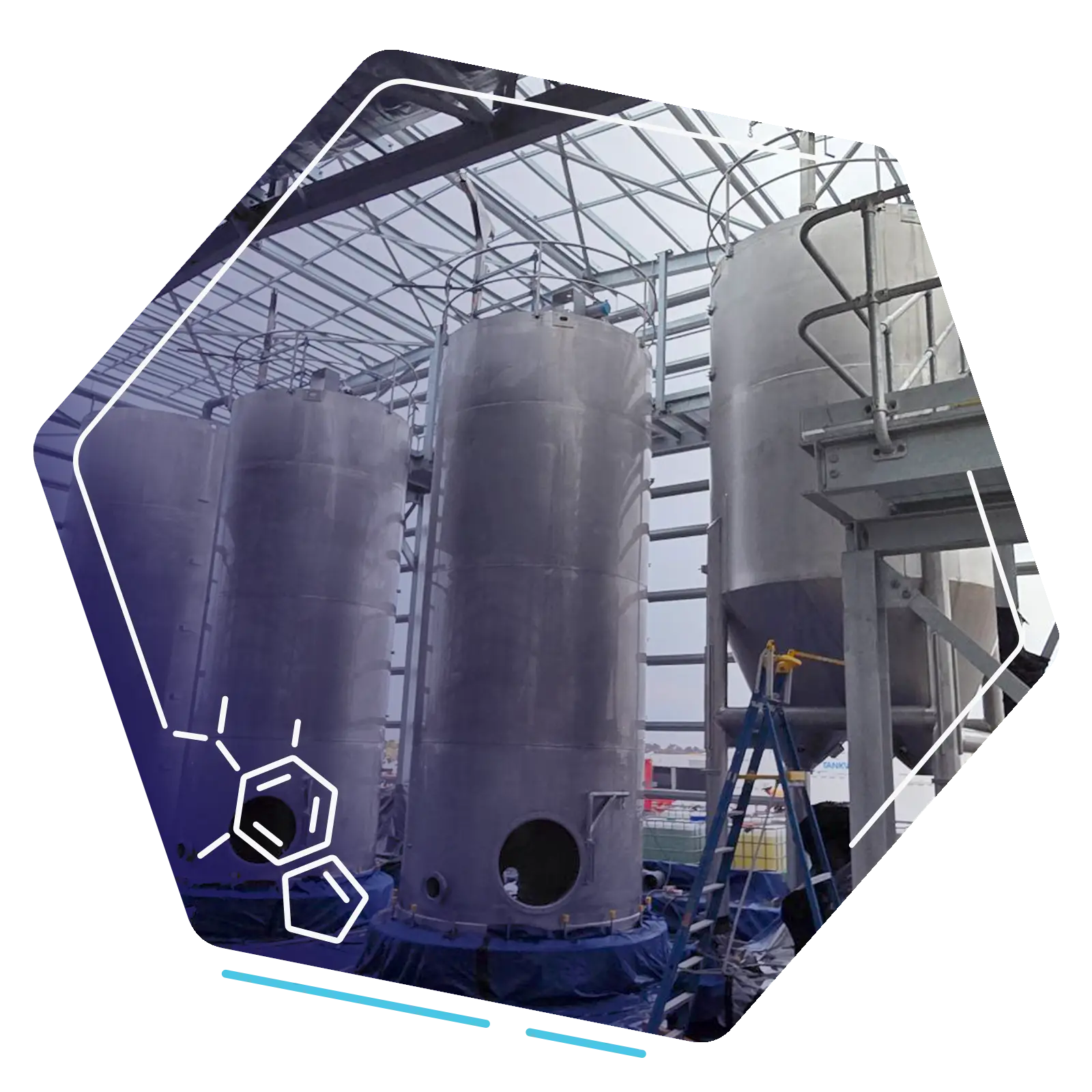
Industries supported by Beralon’s industrial and chemical cleaning services

Industries We Support

Beralon provides heat exchanger cleaning services for industries including:

Oil & Gas

Energy & Power Generation

Food & Beverage

Manufacturing & Processing

Chemical Processing

Infrastructure & Utilities

Maritime & Defence

Our services support shutdowns, maintenance programs, commissioning activities and operational performance improvement projects across Australia.

Specialist Cleaning Solutions for Heat Exchangers

Beralon’s heat exchanger cleaning services are delivered by experienced technicians using controlled cleaning procedures designed for industrial thermal systems and process equipment.

Our team understands the operational importance of maintaining efficient heat transfer performance and reliable cooling processes across industrial facilities.

From shell and tube exchangers through to condensers, evaporators and cooling systems, Beralon delivers tailored cleaning solutions designed to improve operational performance and system reliability.

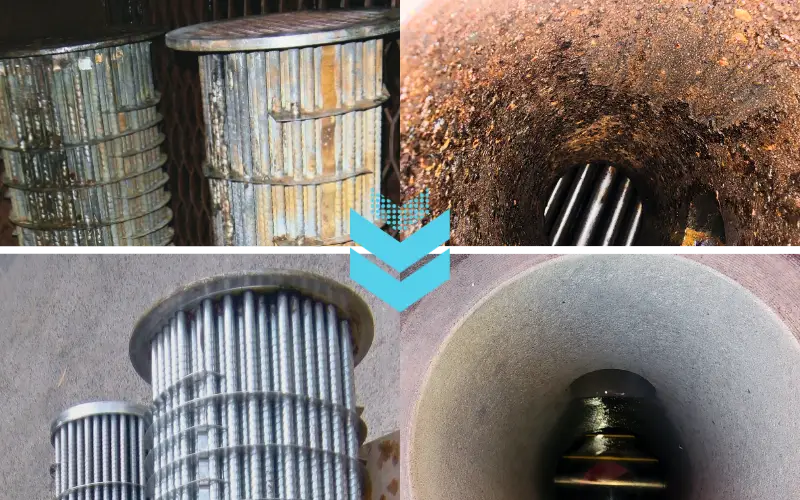
Four-panel comparison of fouled and cleaned heat exchanger tubes and tube bundles
Beralon industrial and chemical cleaning services across Australia

Heat Exchanger Cleaning Services Across Australia

Beralon provides heat exchanger cleaning services throughout Australia for industrial facilities, processing plants and thermal transfer systems.

From preventative maintenance programs through to shutdown works and system restoration projects, Beralon delivers reliable cleaning solutions designed to improve thermal efficiency, reduce operational downtime and support long-term equipment performance.

Frequently Asked Questions

A heat exchanger may need cleaning when its performance begins to move away from normal operating conditions, such as reduced heat transfer, increasing pressure drop, restricted flow or higher energy use. Monitoring these changes over time can help determine whether fouling is building up and whether cleaning should be investigated.

There is no single cleaning interval that suits every heat exchanger. Cleaning frequency depends on factors such as the process fluid, fouling rate, operating conditions, exchanger design and how quickly performance deteriorates. In many applications, monitoring exchanger performance provides a better basis for scheduling cleaning than using a fixed time interval alone.

Chemical cleaning may be more suitable when deposits need to be dissolved or loosened, when fouling occurs in areas that are difficult to access mechanically, or when the exchanger design suits circulation cleaning. High-pressure tube cleaning physically removes deposits and may be more suitable for accessible tubes and certain types of fouling. The appropriate method depends on the exchanger design, metallurgy and contamination involved.

In some cases, yes. Internal circulation cleaning can allow suitable heat exchangers to be chemically cleaned while remaining assembled, reducing the need to physically access every internal surface. Whether this approach is suitable depends on the exchanger design, fouling, metallurgy and project requirements.

Often, yes. Plate and shell-and-tube heat exchangers have different internal geometries and access requirements, which can influence whether circulation cleaning, chemical treatment, high-pressure cleaning or another approach is appropriate. The cleaning method should therefore be selected for the specific exchanger rather than applied as a one-size-fits-all process.

It can if an unsuitable cleaning method or chemistry is used. Cleaning needs to account for the exchanger metallurgy, design, contamination and operating environment so deposits can be removed without unnecessarily affecting tubes or heat-transfer surfaces. Beralon develops its cleaning programs around these factors.

Cleaning can help restore performance where the loss in efficiency is being caused by scale, sludge, fouling or other removable contamination. However, cleaning cannot repair problems such as significant mechanical damage or deterioration, so continued poor performance after cleaning may indicate that further investigation is required.

Cleaning removes existing deposits but does not necessarily remove the operating conditions that caused them to form. Process fluids, mineral content, suspended solids, biological contamination, oils, temperature and flow conditions can all contribute to renewed fouling, so recurring build-up may need to be considered as part of the broader maintenance strategy.

The timeframe varies according to the exchanger size and design, type and severity of fouling, cleaning method, equipment access and the flushing or preparation required. A heavily fouled exchanger or a system requiring several cleaning stages may therefore take longer than a routine maintenance clean.

Contact Beralon

Need a reliable industrial and chemical cleaning partner?

TOP