Copyright © 2026 Beralon Pty Ltd. All rights reserved.
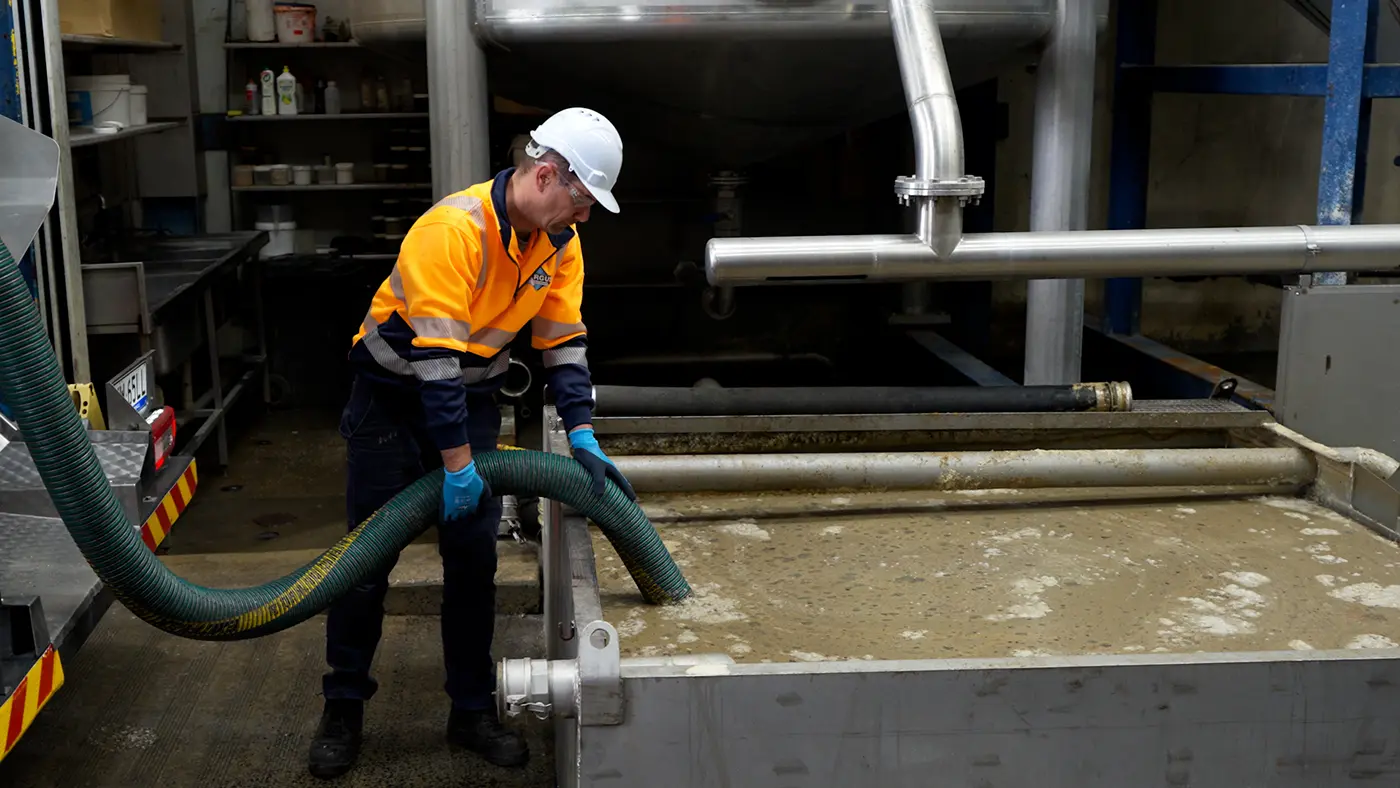
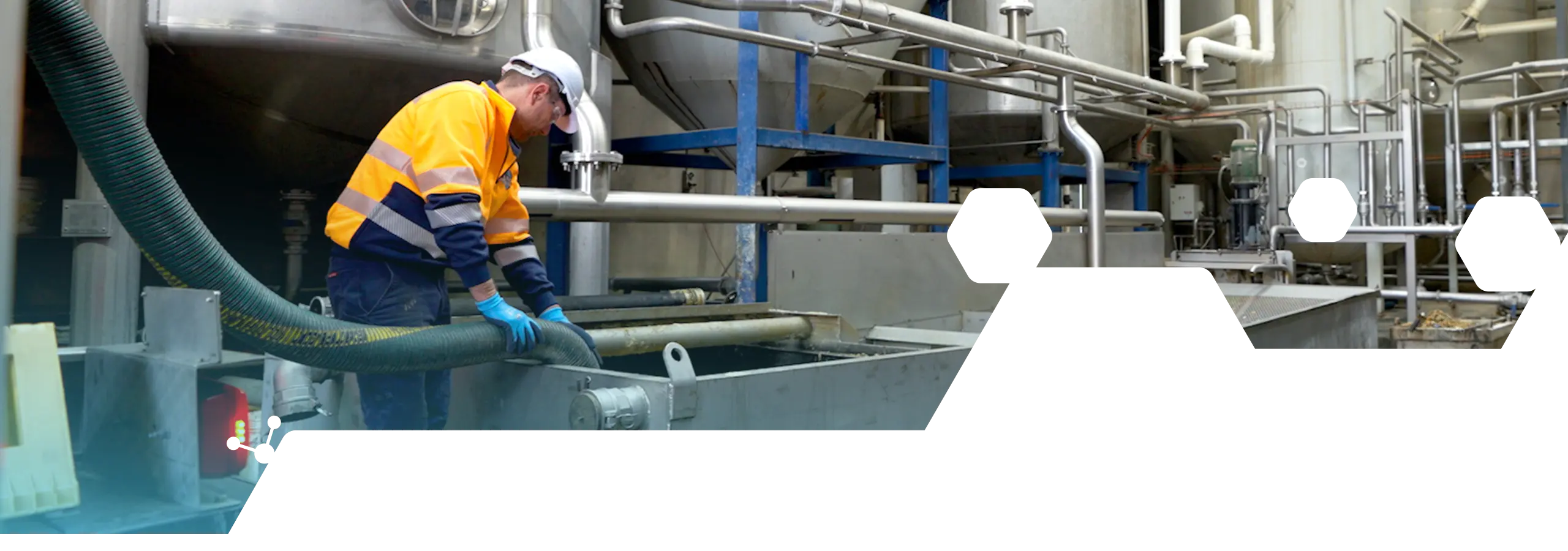
Vacuum hose being used for liquid and sludge recovery within an industrial processing area
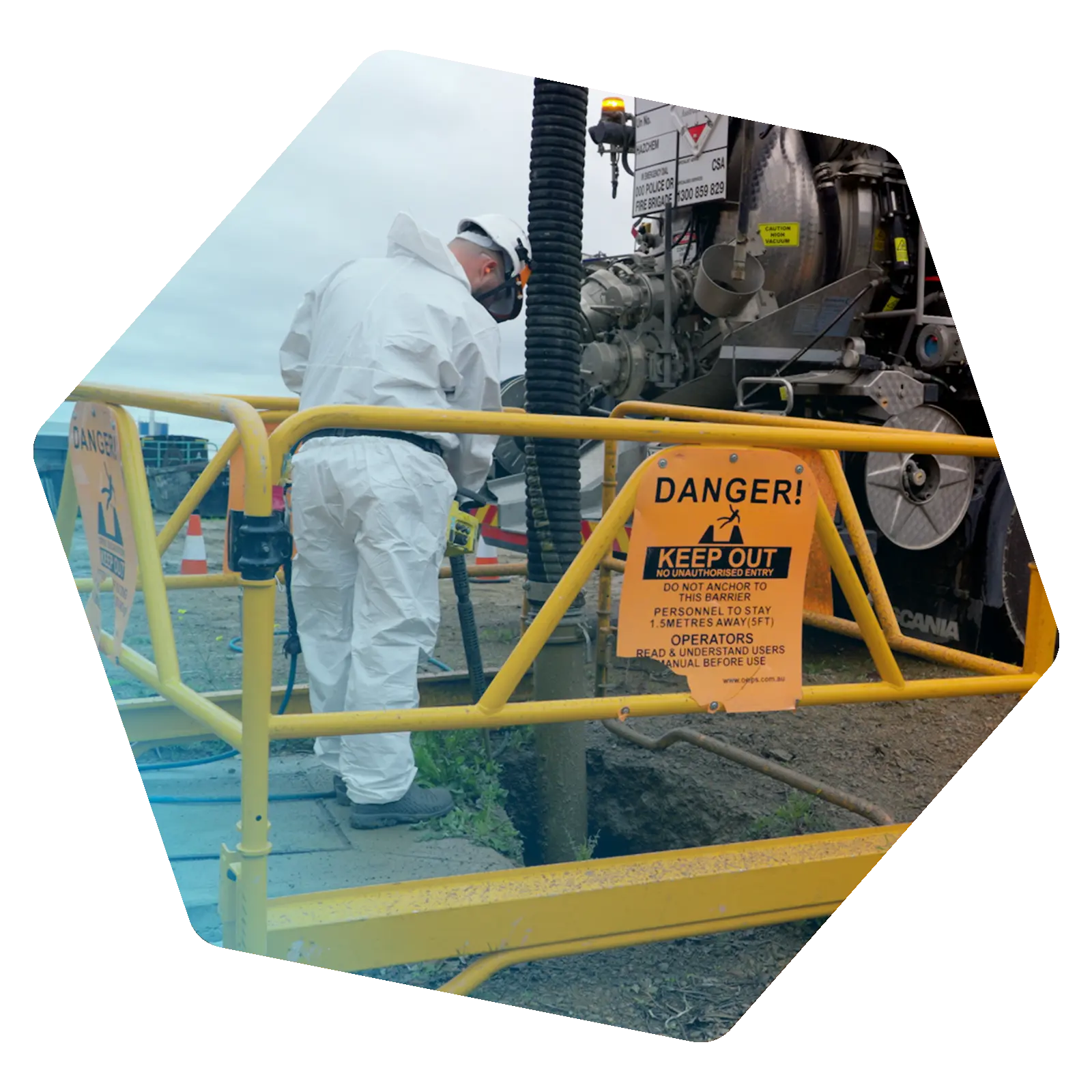
Vacuum loading underway beside an industrial vacuum truck within a restricted work area

Vacuum Loading

Vacuum loading is used to remove and transfer liquids, sludge, slurry, solids and contaminated waste materials from industrial systems, confined spaces and operational environments. Industrial facilities often accumulate waste build-up and residual materials that require controlled removal methods to maintain safe operations and support maintenance activities.

Beralon delivers vacuum loading services across Australia for industrial facilities operating within manufacturing, oil and gas, infrastructure, energy, wastewater and processing sectors. Using specialised vacuum loading equipment and controlled operating procedures, our team safely removes waste materials from tanks, pits, drains, vessels and process systems across a wide range of industrial environments.

Vacuum loading supports industrial cleaning, shutdown maintenance, waste recovery and emergency response activities where conventional removal methods may not be practical or safe.
What Is Vacuum Loading?

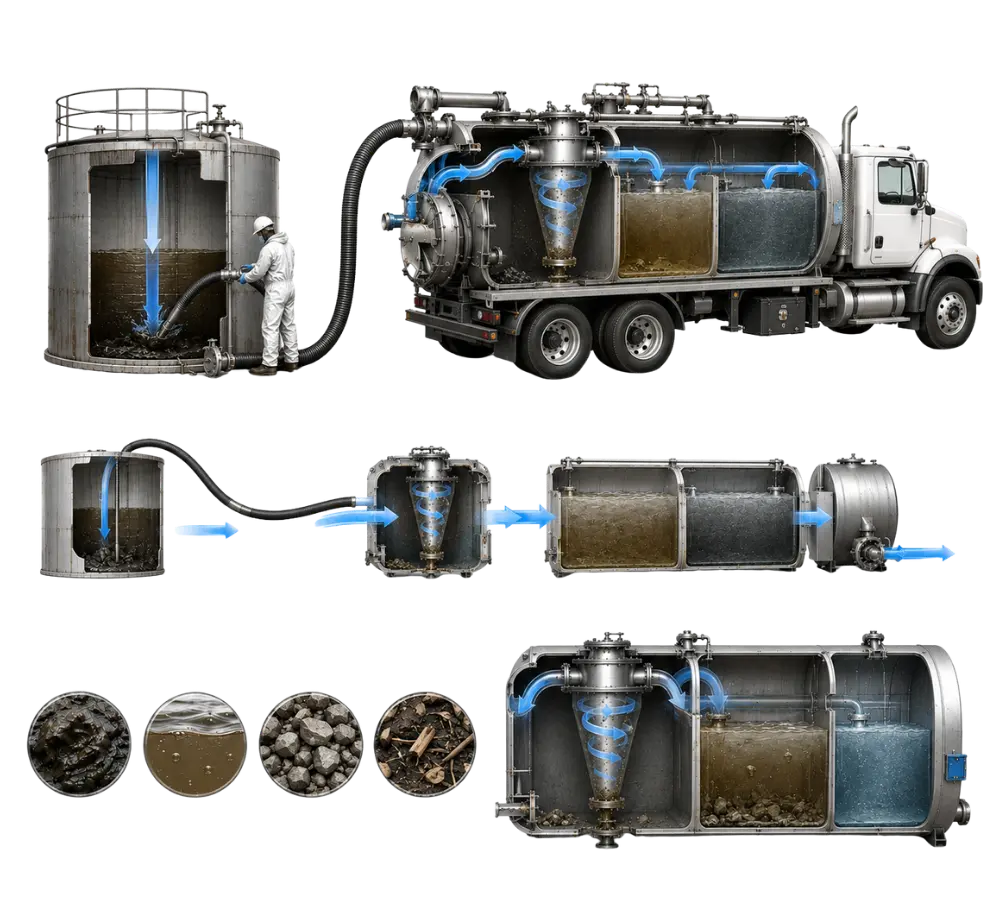
Vacuum loading is the process of using high-powered vacuum systems to remove and transfer liquids, sludge, solids and contaminated materials from industrial infrastructure and operational systems.

Vacuum loading is commonly used for:

  • Sludge and waste removal
  • Tank and vessel cleaning
  • Drain and pit cleaning
  • Spill recovery operations
  • Confined space cleaning
  • Industrial maintenance activities
  • Waste transfer and containment

This process allows industrial facilities to safely manage heavy waste build-up and contaminated materials while reducing manual handling and operational risk.

Diagram showing sludge and liquid transferred from a tank through a vacuum system into a vacuum truck

Vacuum Loading Services

Beralon provides vacuum loading services for:

Industrial tanks and vessels

Underground pits and drains

Wastewater systems

Sludge containment areas

Confined spaces

Processing equipment and infrastructure

Industrial spill and recovery operations

Our services may include:

Liquid and sludge recovery

Wet and dry vacuum loading

Waste transfer and containment

Industrial clean-up support

Spill recovery and removal

Waste handling and disposal support

Each vacuum loading program is developed around the material type, site conditions and operational requirements involved.

Vacuum Loading Delivered Through CSA

Beralon is part of CSA Specialised Services, allowing our clients to access supporting industrial services alongside Beralon's chemical cleaning capabilities.

Vacuum loading is delivered through CSA to support the recovery and transfer of sludge, liquids and industrial waste during cleaning, maintenance and shutdown activities.

Vacuum hose being used to recover liquid and sludge around industrial process equipment

Benefits of Vacuum Loading

Vacuum loading helps businesses to:

  • Remove sludge and contaminated waste efficiently
  • Reduce manual handling requirements
  • Improve site safety during cleaning activities
  • Support shutdown and maintenance programs
  • Reduce operational downtime
  • Improve waste containment and recovery
  • Maintain cleaner and safer operating environments

Controlled waste removal and recovery processes help industrial facilities maintain operational efficiency while reducing environmental and safety risks.

Confined Space Vacuum Loading

Many industrial cleaning and waste recovery activities involve confined spaces and restricted access environments.

Beralon performs confined space vacuum loading using specialised equipment and controlled operating procedures designed to minimise manual entry requirements and improve operational safety during waste removal activities.

Our vacuum loading systems assist with the safe recovery of materials from tanks, pits, vessels and underground infrastructure where direct manual removal may present additional risks.

Industries We Support

Beralon provides vacuum loading services for industries including:

Oil & Gas

Manufacturing & Processing

Infrastructure & Utilities

Energy & Power Generation

Water Treatment & Waste Facilities

Chemical Processing

Maritime & Defence

Our services support shutdown maintenance, operational cleaning, waste recovery and emergency response activities across Australia.

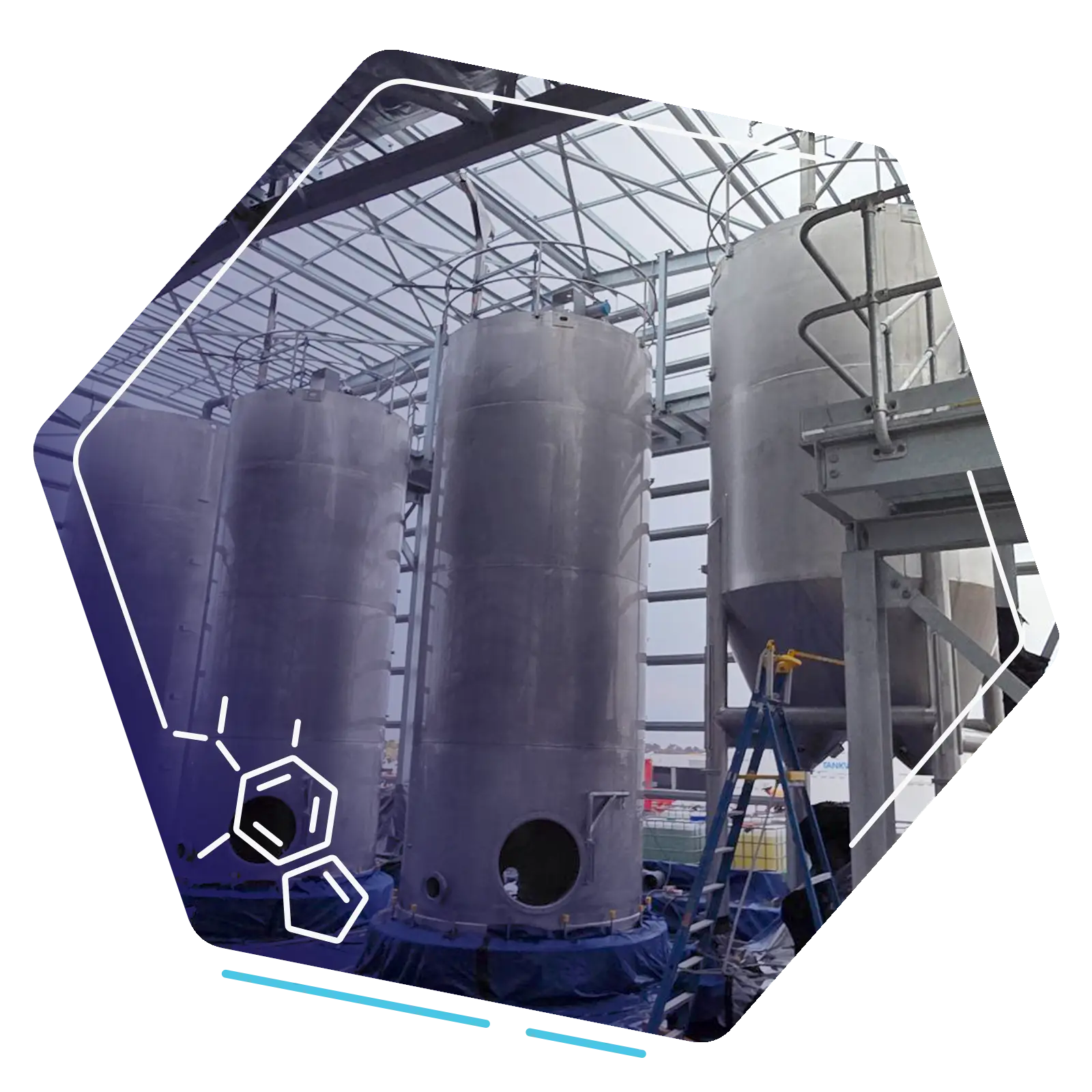
Industries supported by Beralon’s industrial and chemical cleaning services
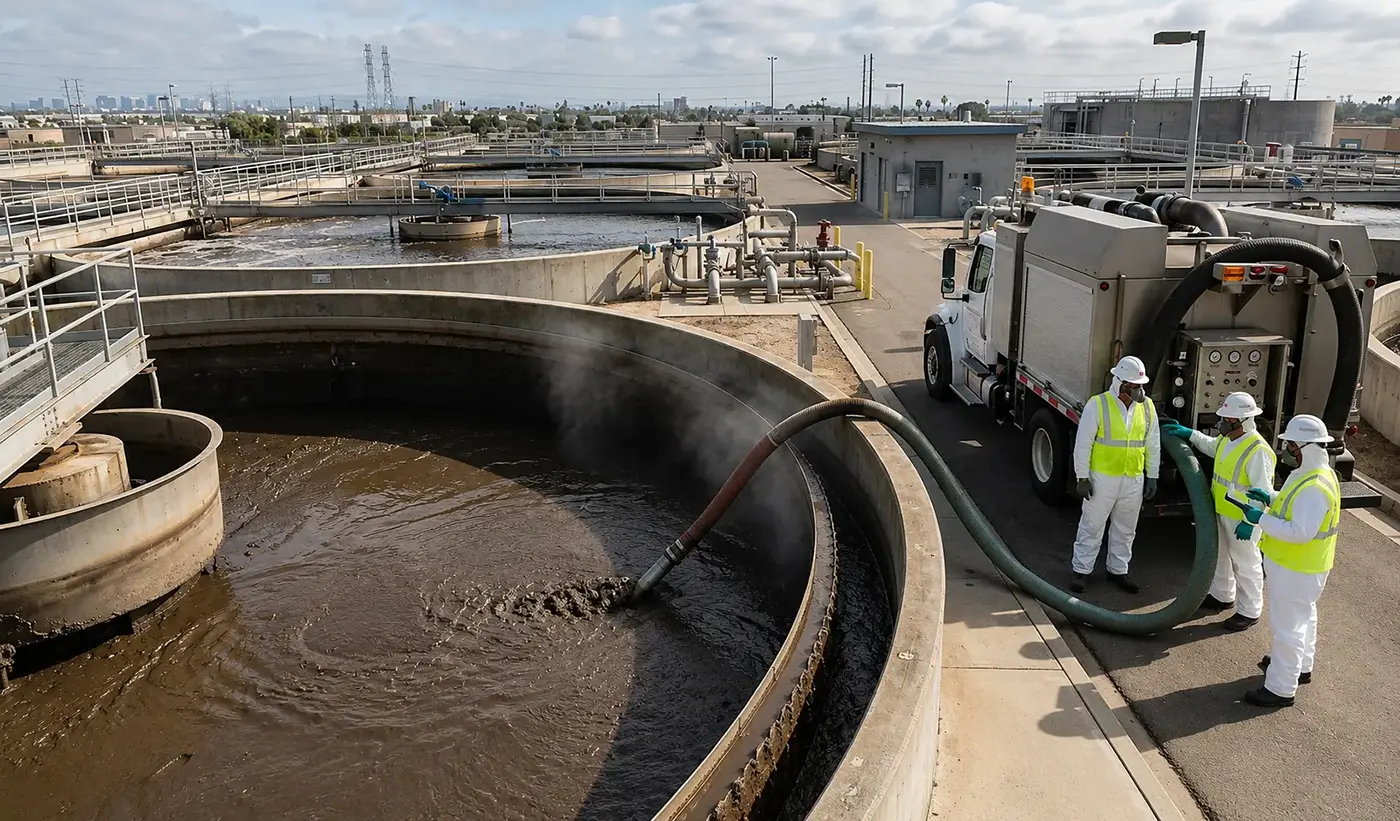
Vacuum truck connected to a wastewater basin for sludge and liquid recovery

Industrial Vacuum Recovery Solutions

Beralon’s vacuum loading services are delivered by experienced industrial technicians using specialised vacuum recovery equipment and practical site-based operating procedures.

From sludge removal and tank cleaning through to wastewater recovery and confined space cleaning, Beralon delivers reliable vacuum loading solutions tailored to the operational requirements and site conditions of each project.

Vacuum Loading Services Across Australia

Beralon provides vacuum loading services throughout Australia for industrial facilities, wastewater systems, processing plants and operational infrastructure.

From sludge recovery and industrial clean-up through to waste transfer and confined space support, Beralon delivers practical vacuum loading solutions designed to support safe, efficient and compliant industrial operations.

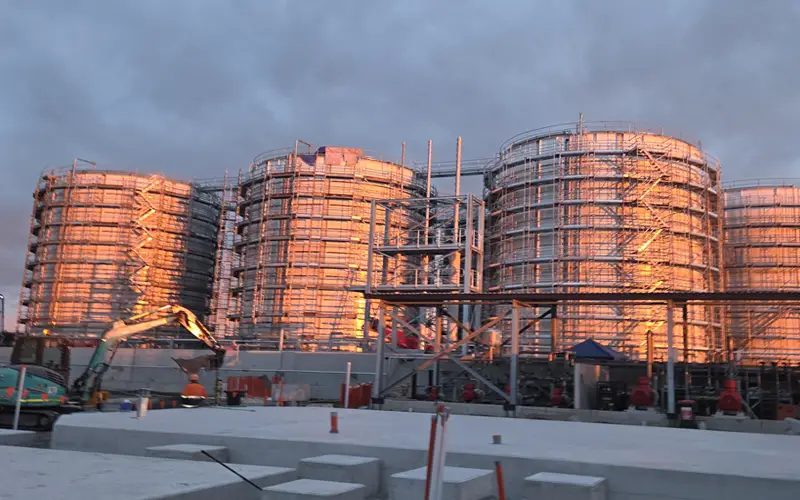
Beralon industrial and chemical cleaning services across Australia

Frequently Asked Questions

Vacuum loading uses powerful suction equipment to remove and transfer liquids, sludge, slurry, solids and other materials from industrial sites. It is commonly used where conventional pumping or manual removal would be difficult, inefficient or unsuitable.

Vacuum loading can remove a range of wet and dry materials, including liquids, sludge, slurry, solids and contaminated waste. The suitability of the equipment depends on the material involved and the conditions of the site.

Vacuum loading is useful when liquids, sludge or other waste materials need to be removed from areas such as tanks, pits, drains, vessels or process systems. It can support routine cleaning, maintenance, shutdown work, waste recovery and site clean-up.

Wet vacuum loading is generally used for liquids, sludge and slurry, while dry vacuum loading is used for dry solids and debris. The appropriate method depends on the material being recovered and the requirements of the site.

No. Vacuum loading primarily removes existing liquids, sludge, solids or waste materials from an area or system. Vacuum excavation uses suction as part of an excavation process, typically after soil has been loosened to expose or work around underground infrastructure.

Yes. Vacuum loading can be used to recover materials from tanks, pits, vessels and other confined or restricted-access areas. It can also help reduce the amount of direct manual removal required, although the approach depends on the site and access conditions.

Yes. Vacuum loading can support planned shutdowns, maintenance work, industrial clean-ups and waste-recovery activities. It may also be used where materials need to be removed quickly as part of spill or recovery work.

The material is recovered into the vacuum-loading system and contained for transfer away from the work area. Depending on the project, Beralon can also support waste transfer, containment and disposal coordination. The appropriate next step depends on the type of material recovered and the requirements of the site.

The timeframe varies depending on factors such as the amount and type of material, the location it needs to be removed from, site access and the operating conditions involved. Larger volumes or more difficult-access areas may require more time.

Useful information includes the type and estimated amount of material, where it is located, site access conditions and the reason for the work. These details help determine the appropriate vacuum-loading approach and project requirements.

Contact Beralon

Need a reliable industrial and chemical cleaning partner?

TOP