Copyright © 2026 Beralon Pty Ltd. All rights reserved.
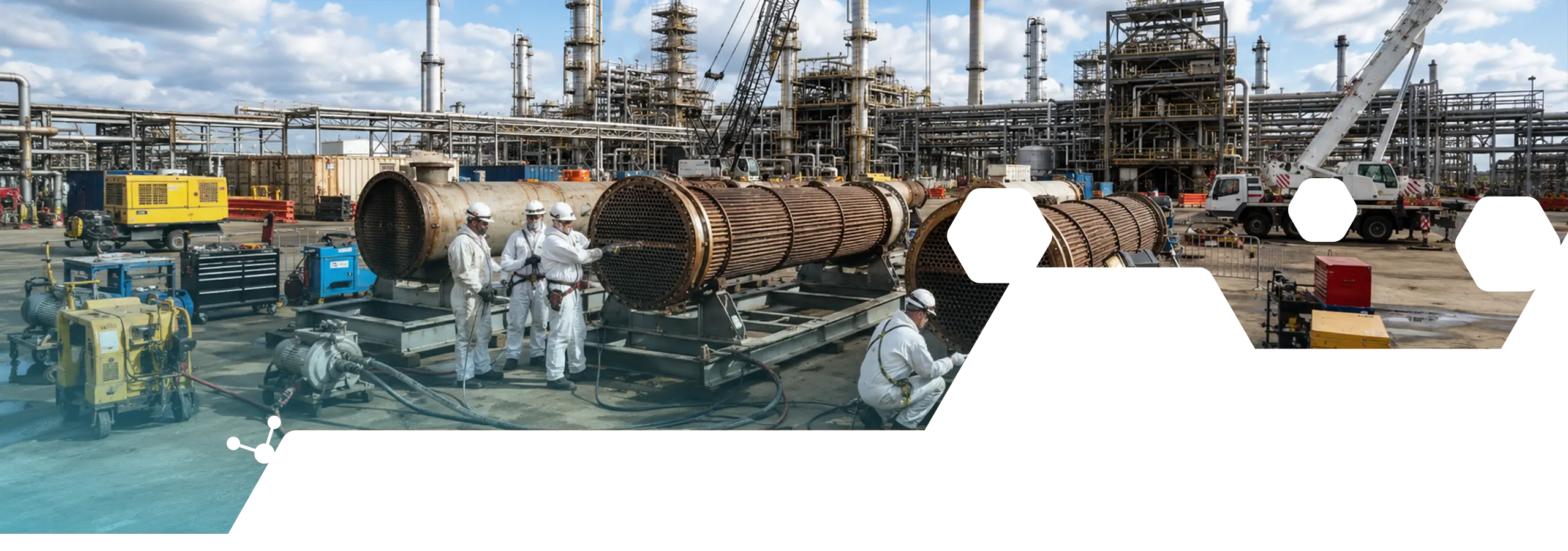
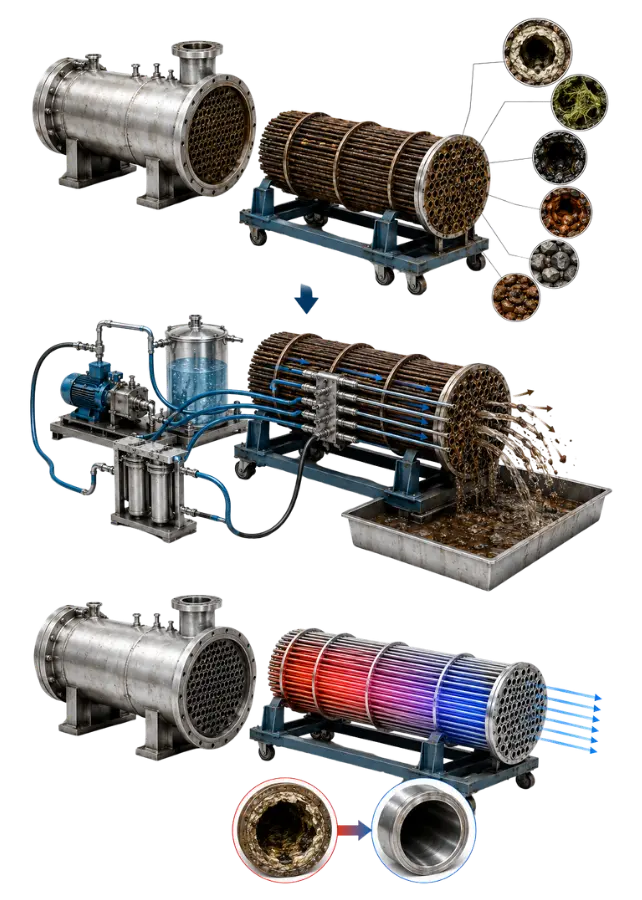
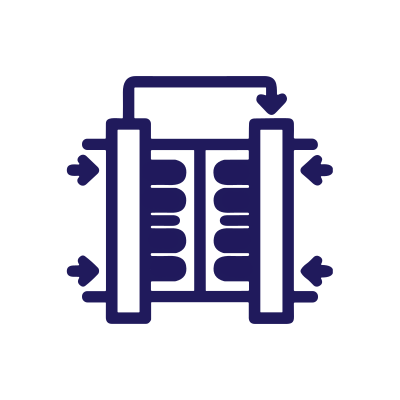

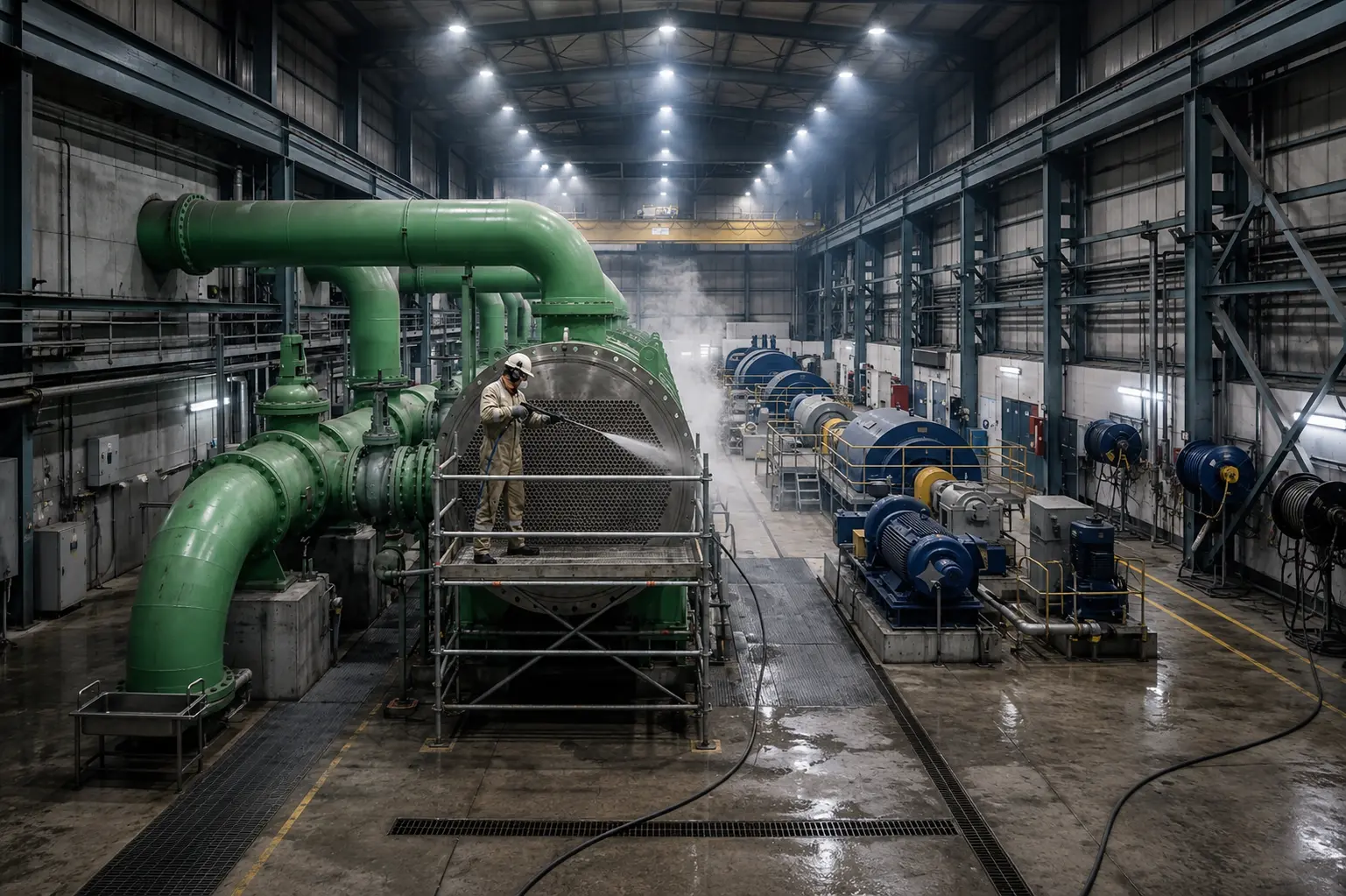
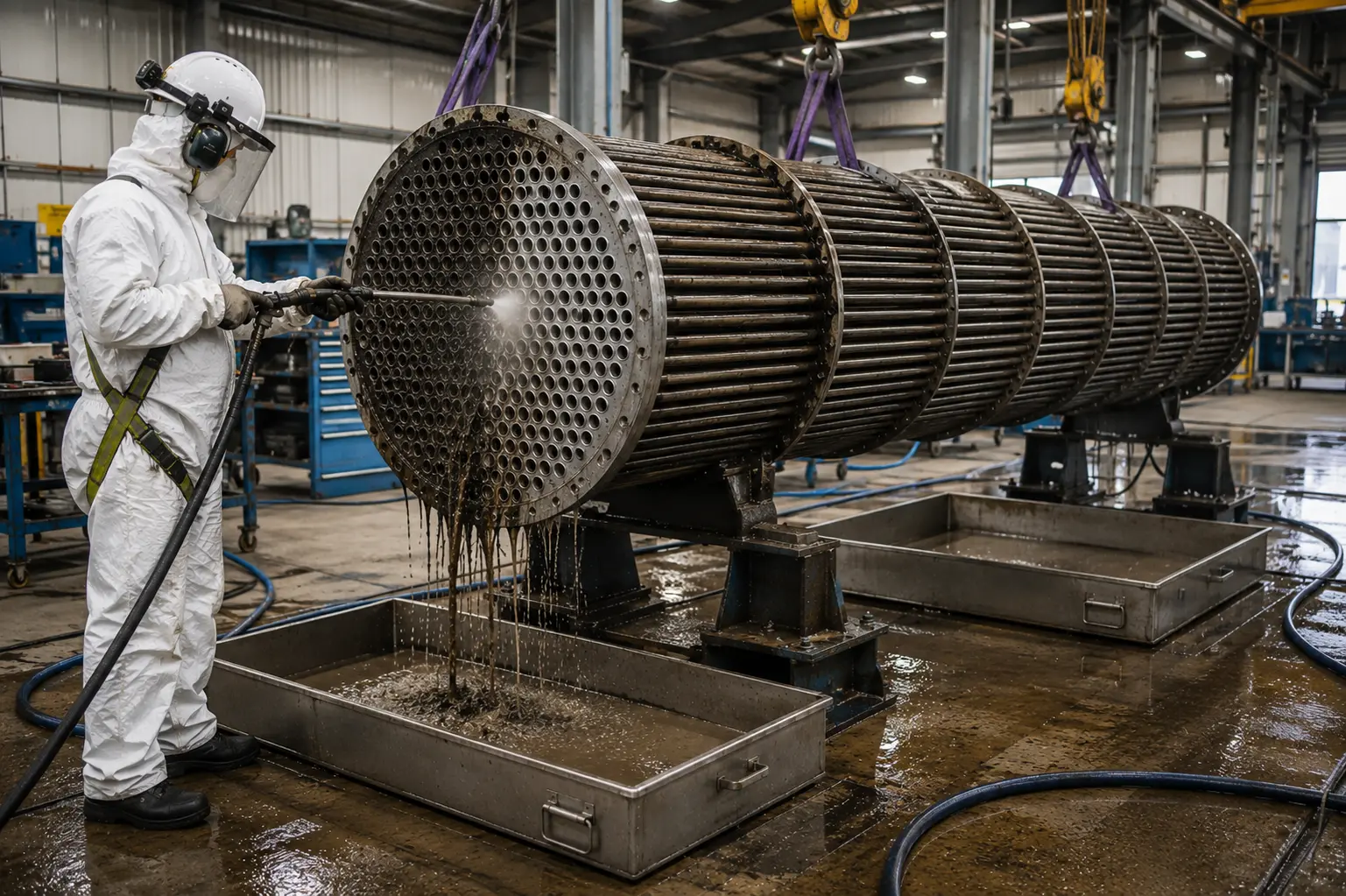
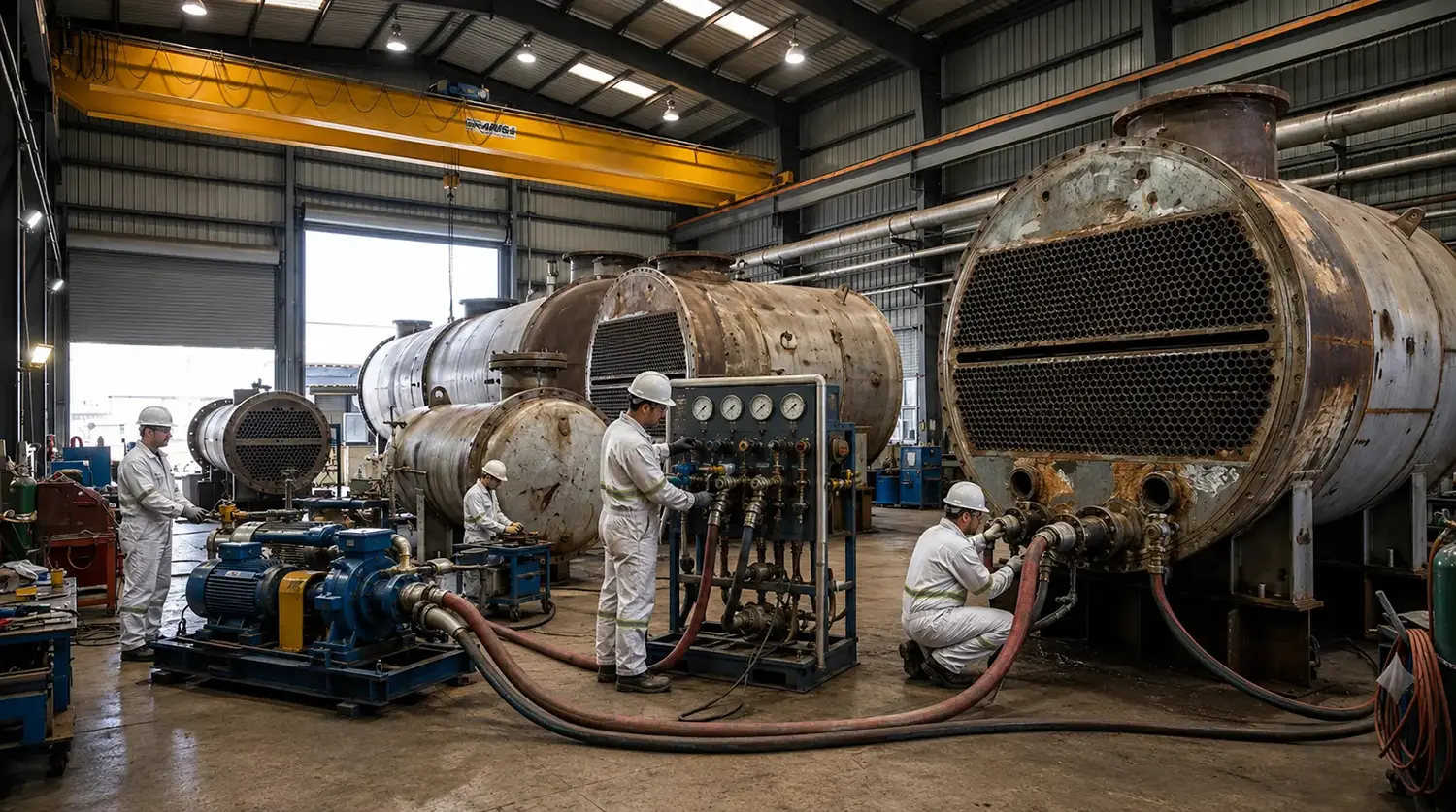
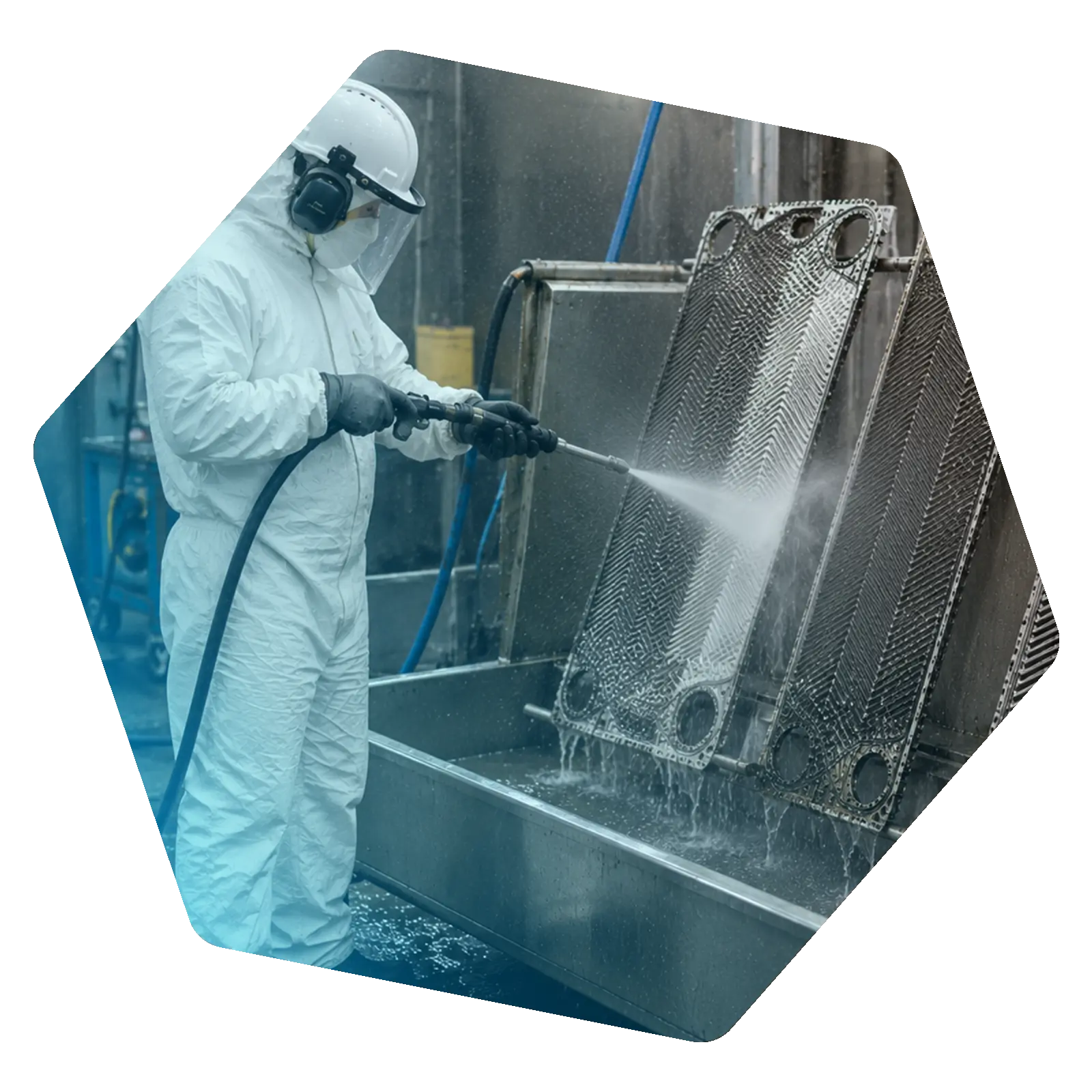
Heat exchanger tube cleaning removes scale, sludge, fouling and other deposits from inside exchanger tubes. High-pressure tube cleaning uses pressurised water to physically remove this build-up and restore cleaner internal tube surfaces.
Cleaning may be needed when fouling begins to affect heat transfer, flow or operating performance. Signs can include reduced cooling efficiency, higher operating temperatures, restricted flow, increased pressure drop or rising energy use.
There is no single cleaning interval for every heat exchanger. The appropriate frequency depends on factors such as operating conditions, the type and rate of fouling, process fluids and how quickly performance begins to decline.
It can help where fouling or deposits are restricting flow or reducing heat transfer. Removing this build-up can support improved thermal performance and cooling efficiency, although cleaning will not correct performance problems caused by unrelated equipment faults.
High-pressure tube cleaning uses pressurised water to physically remove deposits from tube surfaces. Chemical cleaning uses selected cleaning solutions to dissolve or loosen contamination. The most suitable approach depends on factors such as the exchanger design, deposit type and cleaning requirements.
It can if unsuitable pressures or cleaning methods are used. The cleaning process therefore needs to account for the tube configuration, condition and contamination so deposits can be removed while protecting tube integrity and exchanger surfaces.
Yes, high-pressure water cleaning can be used to remove scale, sludge and heavier fouling from exchanger tubes. Whether it is the most suitable method depends on the type and severity of the deposits and the condition of the exchanger.
The timeframe varies between projects. Factors such as exchanger size, number and configuration of tubes, level of fouling, access and cleaning requirements can all affect how long the work takes.
Useful information includes the exchanger type, tube configuration, known or suspected contamination, operating conditions and the reason for cleaning. These details help determine an appropriate cleaning approach and project scope.