Copyright © 2026 Beralon Pty Ltd. All rights reserved.
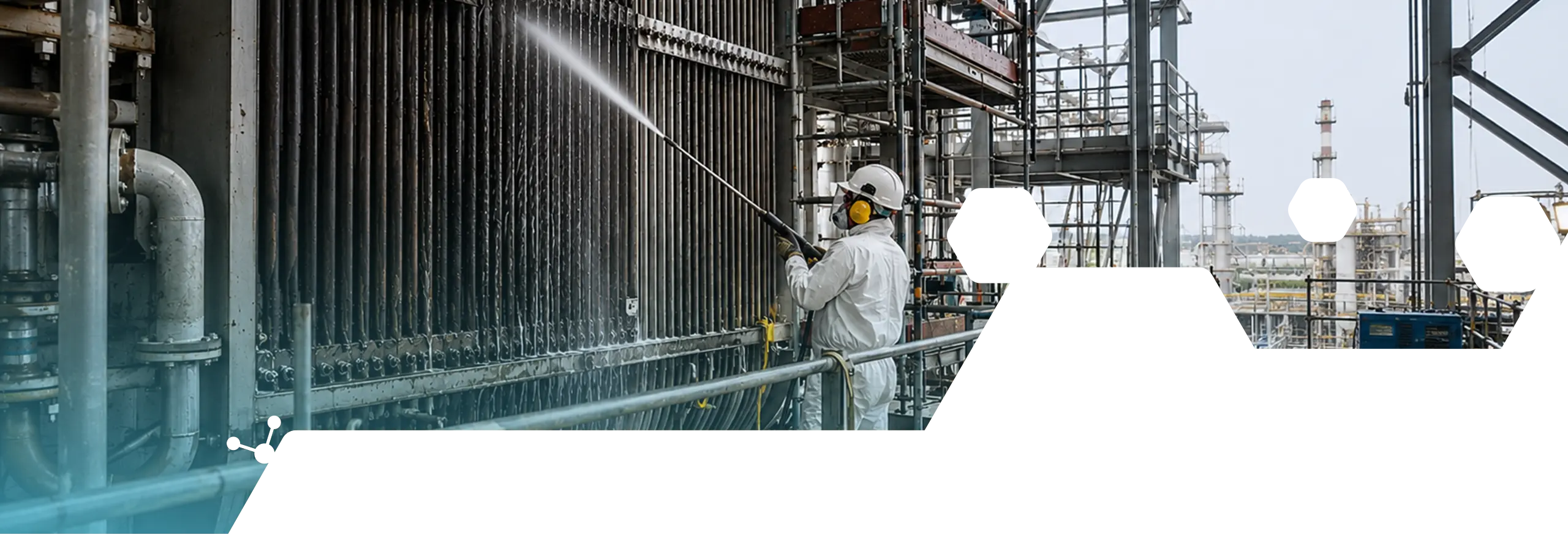

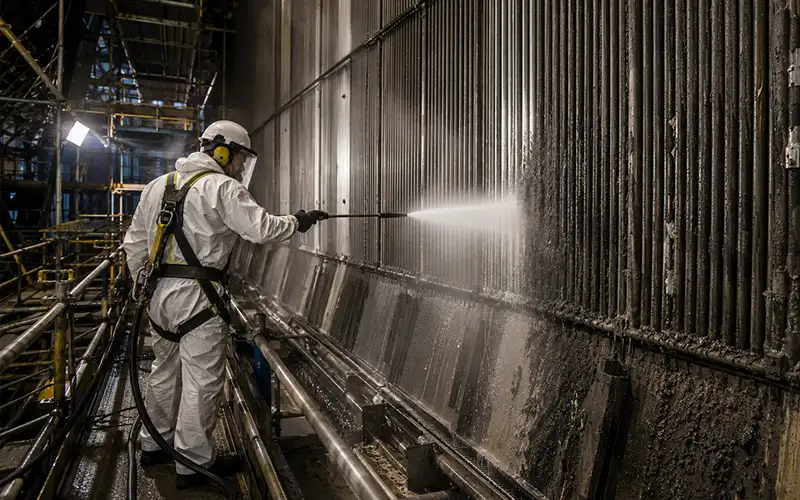
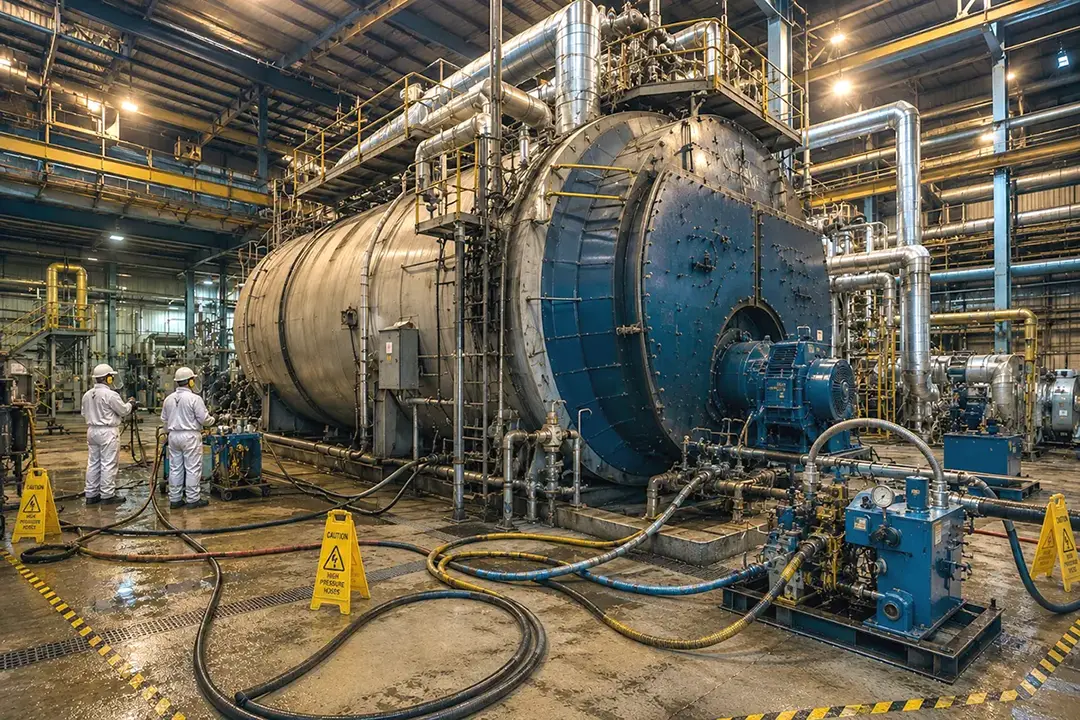
Boiler chemical cleaning uses controlled chemical solutions to remove internal scale, sludge, corrosion products and other deposits from boiler systems. The cleaning solution is circulated through the system to loosen or remove contamination from internal surfaces.
A boiler may need chemical cleaning when internal deposits begin to affect heat transfer, circulation or operating performance. Cleaning may also be planned during maintenance, shutdowns, commissioning or recommissioning work.
There is no fixed cleaning interval that applies to every boiler. The need for chemical cleaning depends on factors such as boiler design, operating conditions, water quality, deposit build-up and maintenance history.
New boilers can contain fabrication and commissioning residues such as oils, corrosion products, mill scale or welding debris. Cleaning before operation helps prepare the internal surfaces and circulation system for commissioning and normal boiler service.
It can help where internal deposits are reducing heat transfer or restricting circulation. Removing scale, sludge and other contamination can support more effective heat transfer and boiler operation, although the result depends on the condition of the system and the cause of the performance problem.
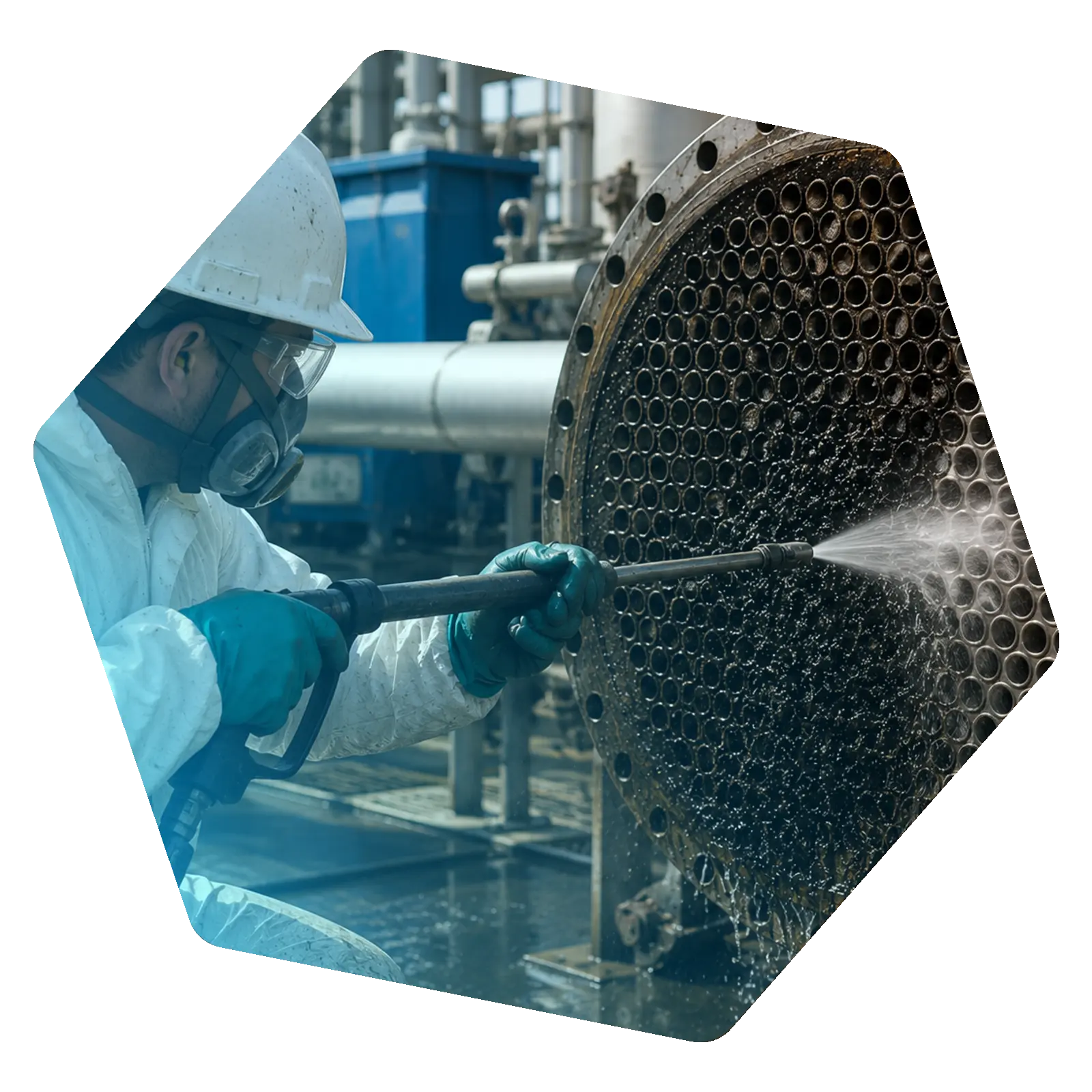
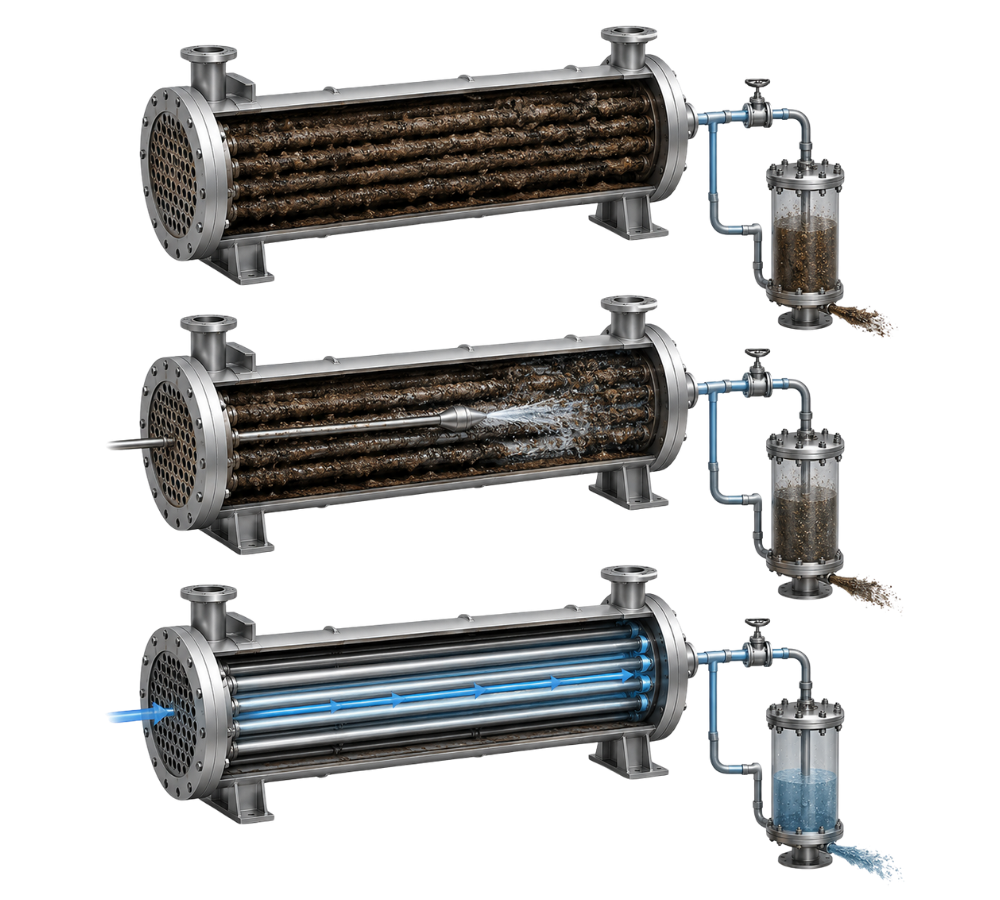
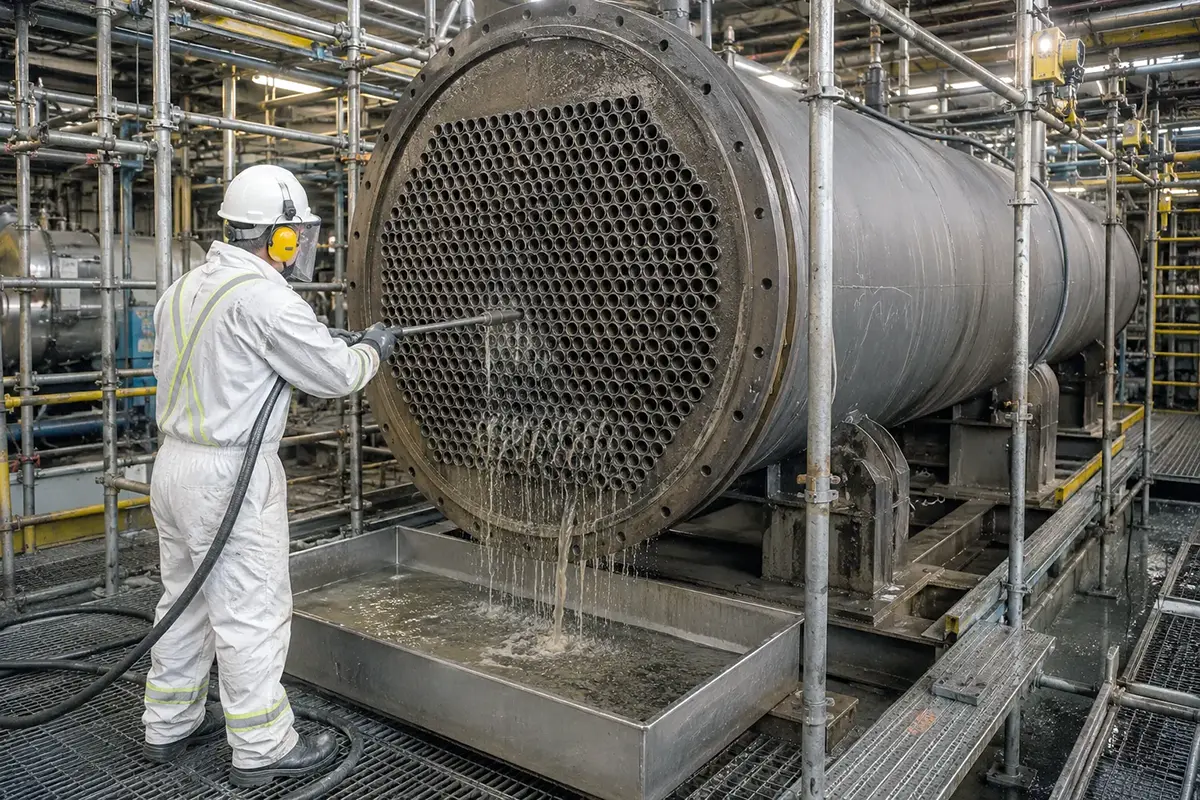
Chemical cleaning uses circulated cleaning solutions to remove or loosen internal deposits, while high-pressure tube cleaning physically removes deposits using pressurised water. The appropriate method depends on factors such as the type and location of contamination, boiler design and required cleaning outcome.
No. Boiler water treatment is primarily used to manage water chemistry and help control problems such as scale and corrosion during operation. Chemical cleaning is used when deposits or contamination already present inside the boiler need to be removed.
It can if the cleaning chemistry or operating conditions are not suitable for the boiler. The cleaning program therefore needs to consider the boiler design, metallurgy, contamination and operating conditions so deposits can be removed while protecting the system.
There is no standard timeframe for every boiler. The duration can depend on the boiler size and design, amount and type of contamination, cleaning stages required, circulation and flushing requirements, and any post-cleaning treatment needed before the system returns to service.