Copyright © 2026 Beralon Pty Ltd. All rights reserved.
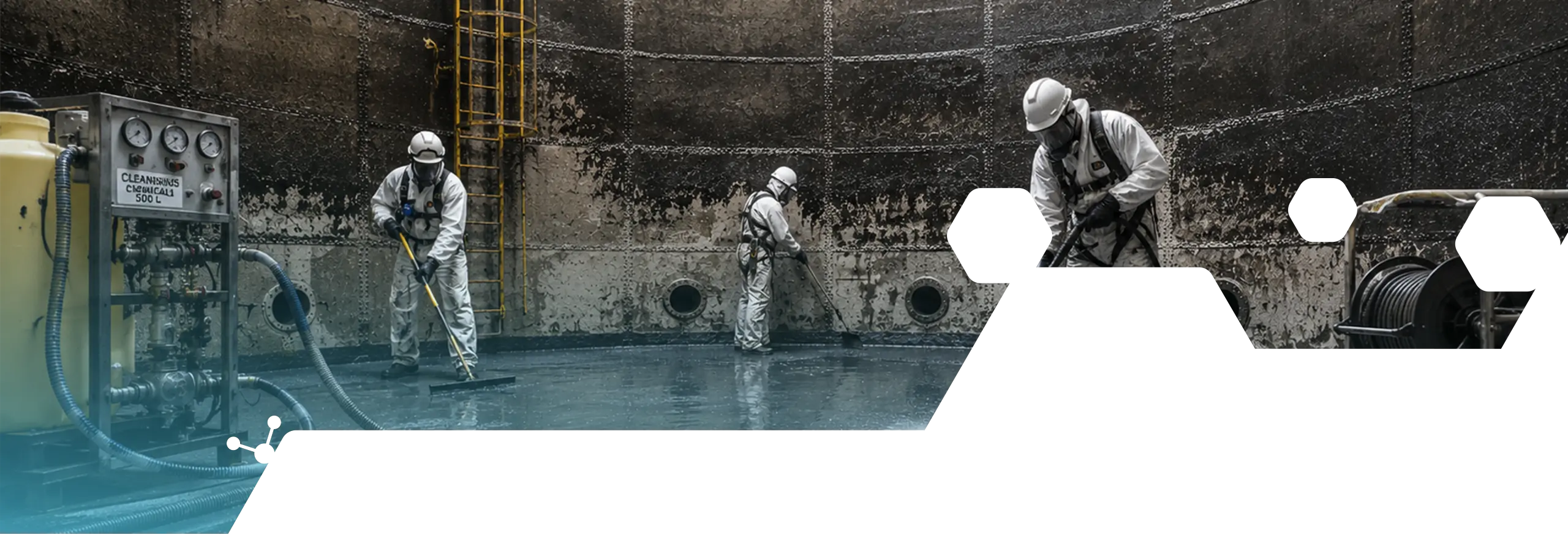
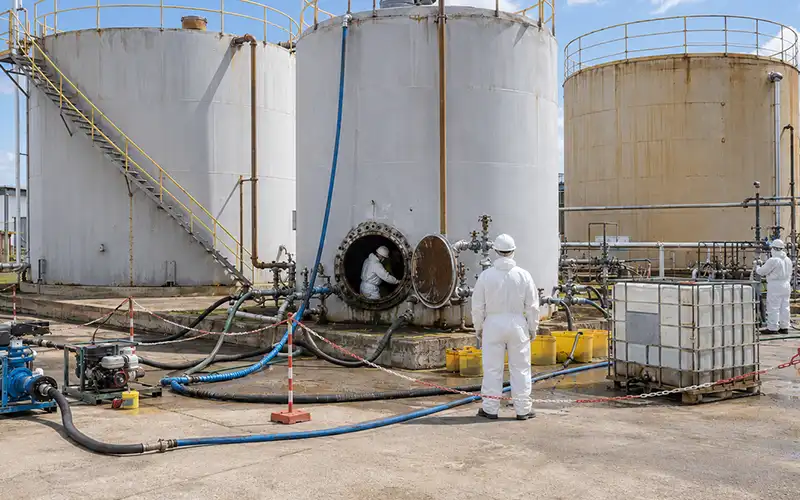
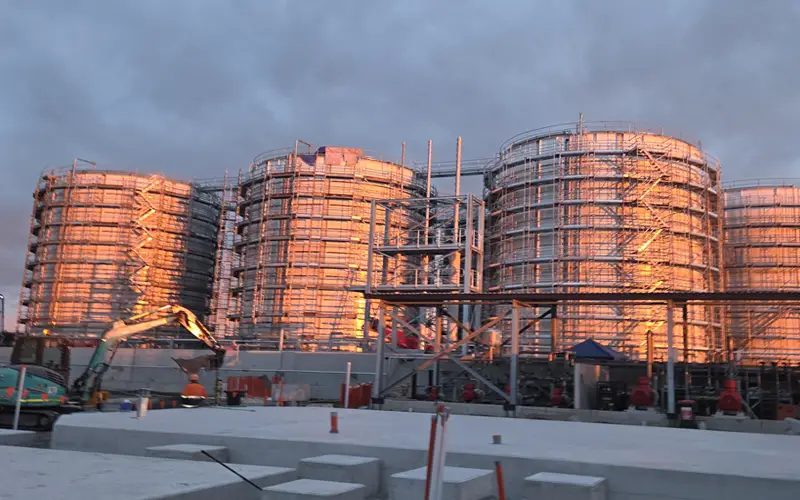
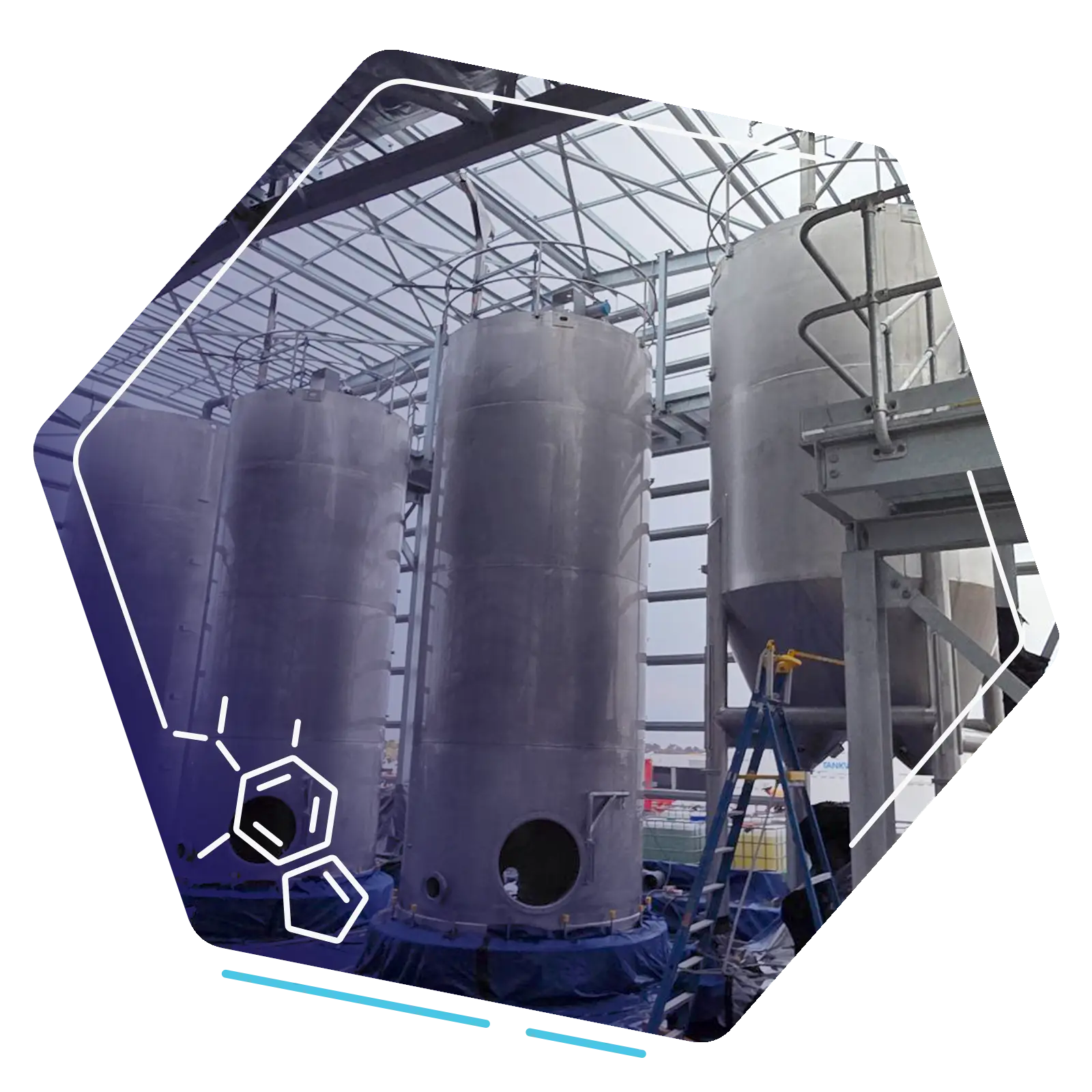
Industrial tank cleaning is the process of removing sludge, residues, hydrocarbons, waste build-up and other contamination from industrial tanks, vessels and storage systems. It can help prepare tanks for continued operation, inspection, maintenance, product changeover or decommissioning.
A tank may need cleaning when sludge, residue or contamination has accumulated, before inspection or repairs, during a product changeover, or as part of planned maintenance or shutdown work. Cleaning may also be required before a tank is decommissioned or returned to service.
There is no single cleaning interval that applies to every industrial tank. The appropriate frequency depends on the tank type, stored material, rate of contamination or sludge build-up, operating conditions and maintenance or inspection requirements.
Cleaning removes sludge, residues and contamination that can obstruct access to internal surfaces. This helps prepare the tank so inspection, maintenance or repair work can be carried out more effectively.
Cleaning before a product changeover helps remove residues from the material previously stored in the tank. This can reduce the risk of carryover contamination when the tank is used for a different product.
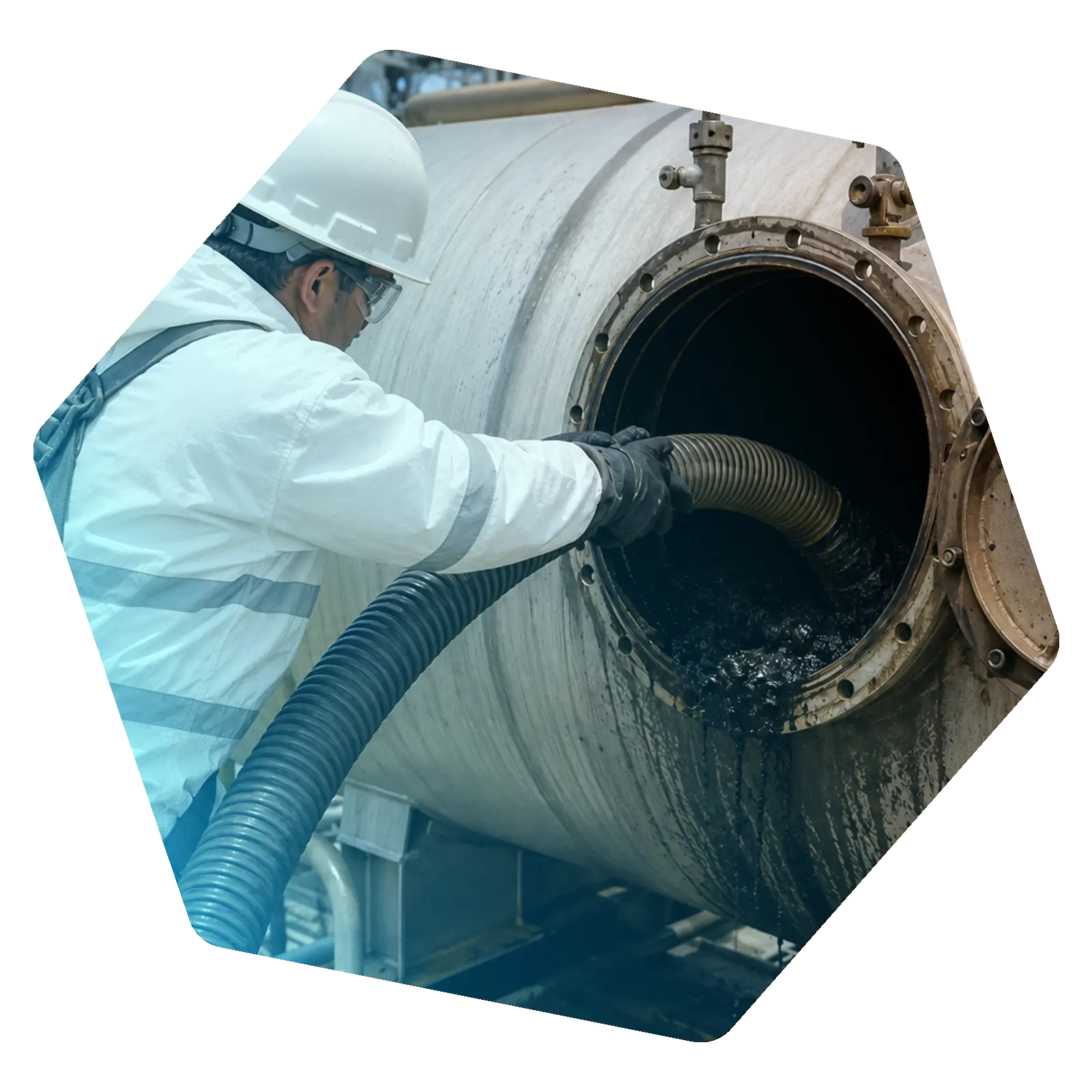
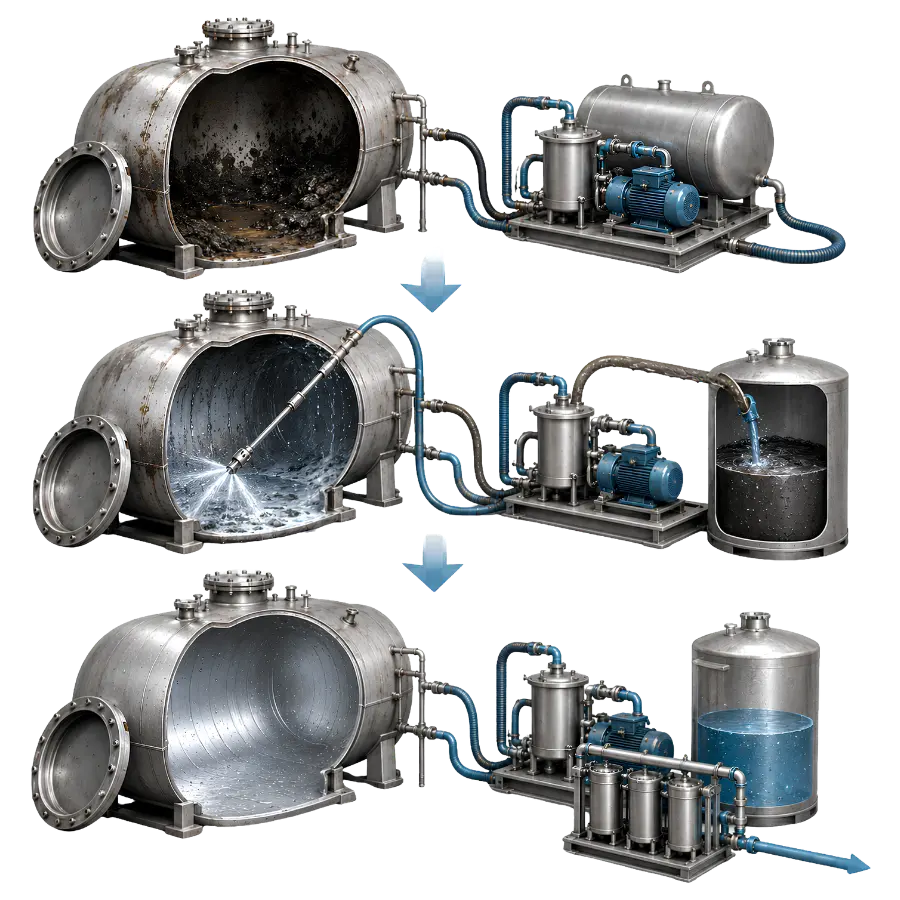
Yes. Industrial tank cleaning can be used to remove heavy sludge, waste residue, hydrocarbons and other contamination from tanks and vessels. Depending on the project, Beralon’s services may involve vacuum loading, high-pressure water cleaning, internal wash-down and waste recovery or removal.
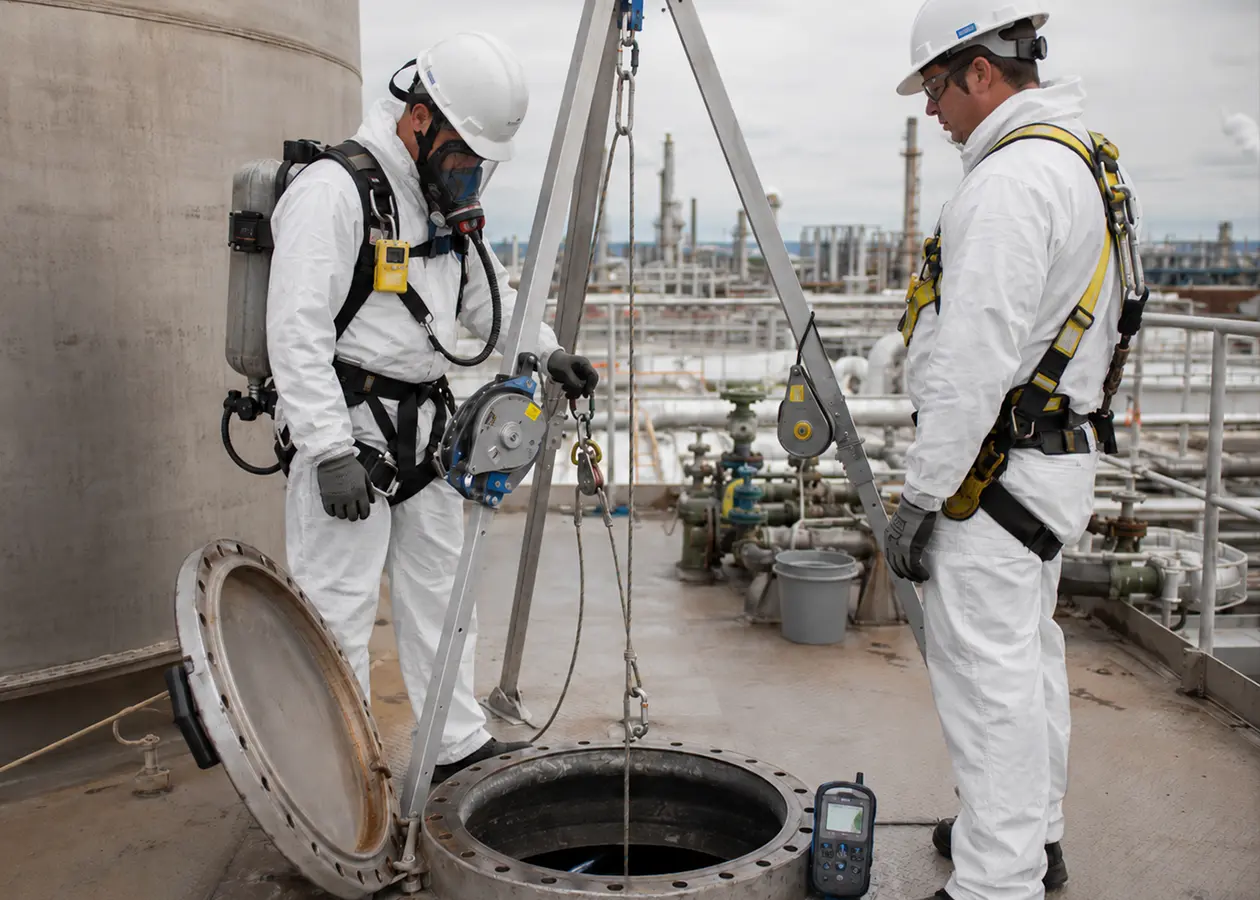
No. Whether confined-space entry is required depends on the tank design, access, contamination and cleaning method involved. Where entry is required, the work needs to be managed using appropriate confined-space procedures and controls.
The timeframe varies depending on the tank size and configuration, stored material, level of contamination, cleaning method, access conditions and any confined-space or waste-removal requirements. More complex or heavily contaminated tanks may require a longer cleaning process.
Tank cleaning costs depend on the scope and complexity of the project. Factors can include tank size and configuration, stored material, contamination level, access, required cleaning methods, confined-space requirements and the amount of sludge or waste that needs to be removed.
The cleaning method is selected according to the tank configuration, stored material, contamination type and operational requirements. Depending on the project, the cleaning program may involve high-pressure water cleaning, vacuum loading and transfer, internal wash-down, decontamination or a combination of methods.