Copyright © 2026 Beralon Pty Ltd. All rights reserved.
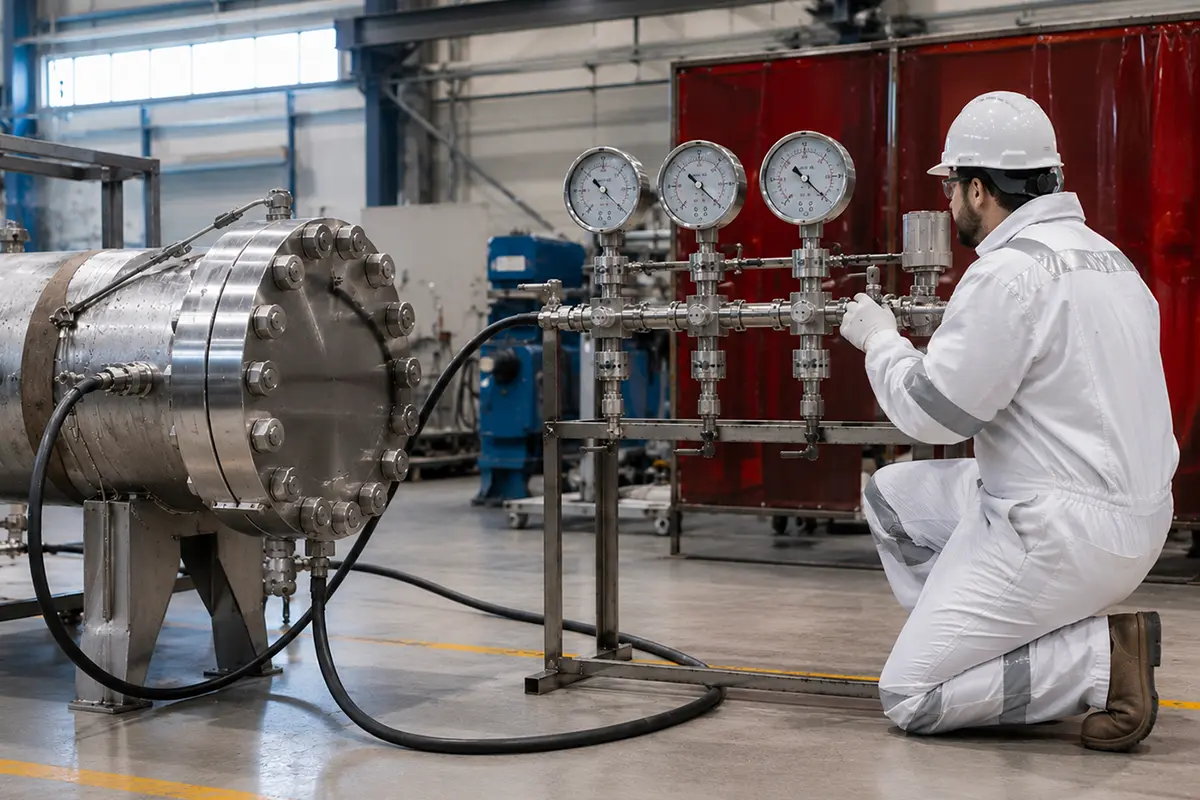
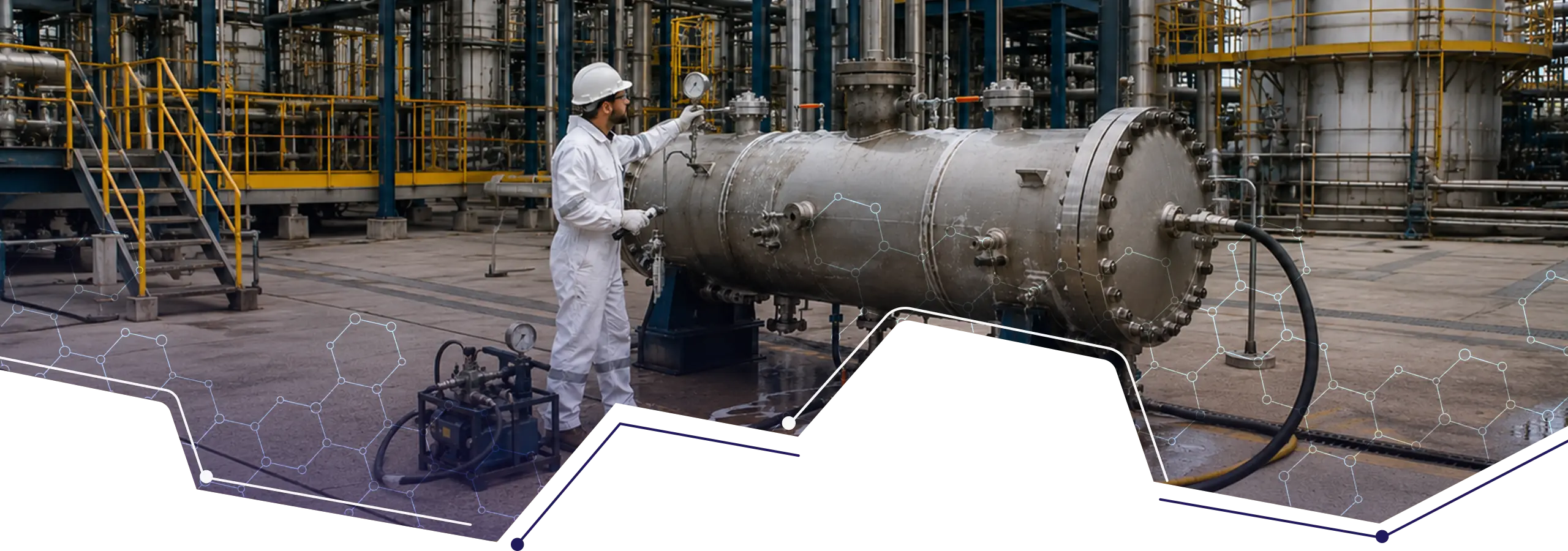
Beralon staff carrying out hydro testing on a large industrial pressure vessel using pressure gauges and test equipment

Hydro Testing

Hydro testing is used to verify the integrity, strength and pressure performance of pipelines, vessels and industrial systems before they are commissioned, returned to service or placed into operation. Pressure testing plays a critical role in identifying leaks, structural weaknesses and system faults that may impact operational safety, compliance and long-term reliability.

Beralon conducts hydro testing services across Australia for industrial systems operating within the oil and gas, manufacturing, infrastructure, energy and processing sectors. Our testing procedures are tailored to the operating pressure, system configuration and project requirements involved, allowing accurate verification of system integrity before operational use.

Hydro testing is commonly performed during commissioning works, shutdown projects, maintenance activities and equipment certification programs where pressure systems must be validated prior to operation.
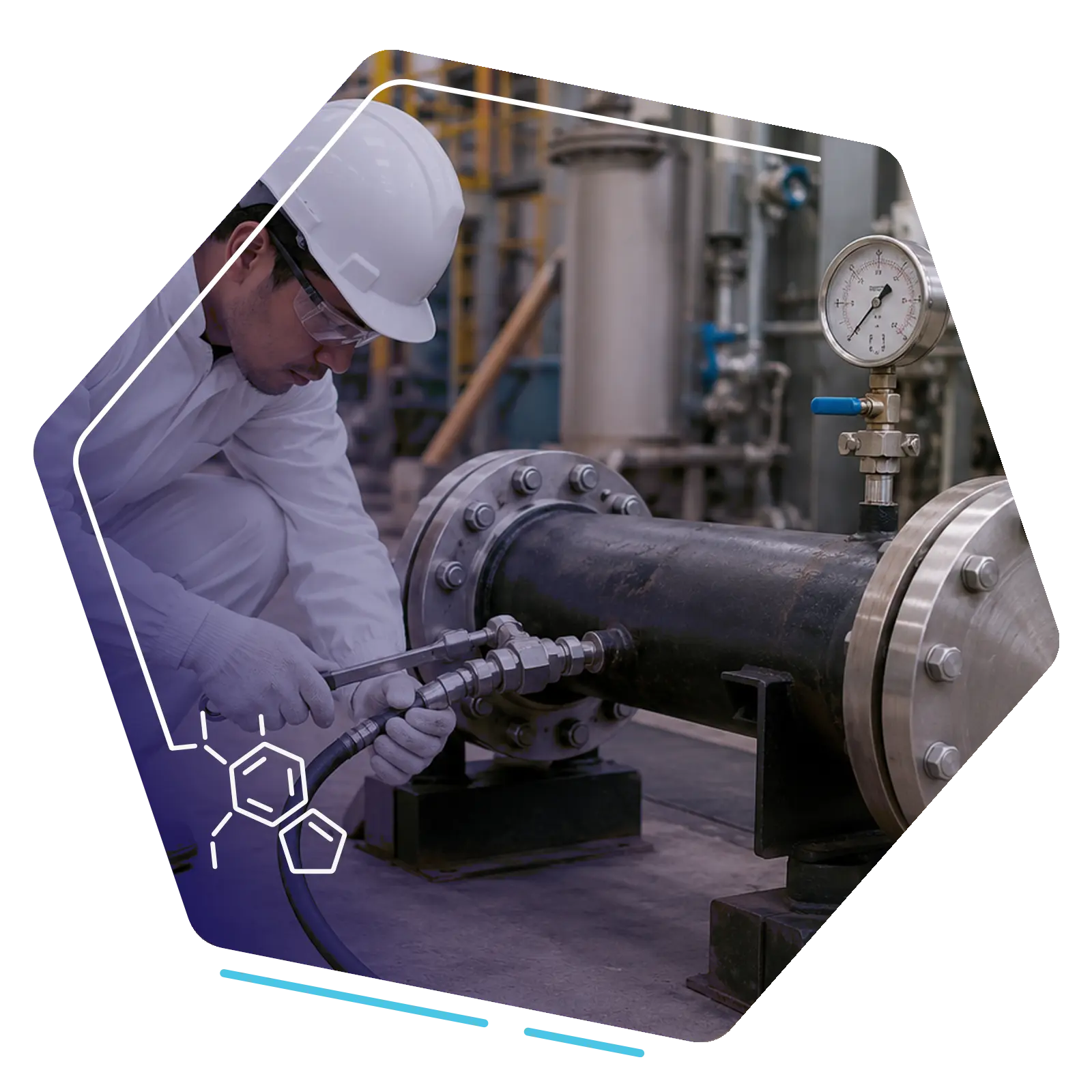
Carried out hydrostatic pressure testing on industrial pipework using a pressure gauge and test connections
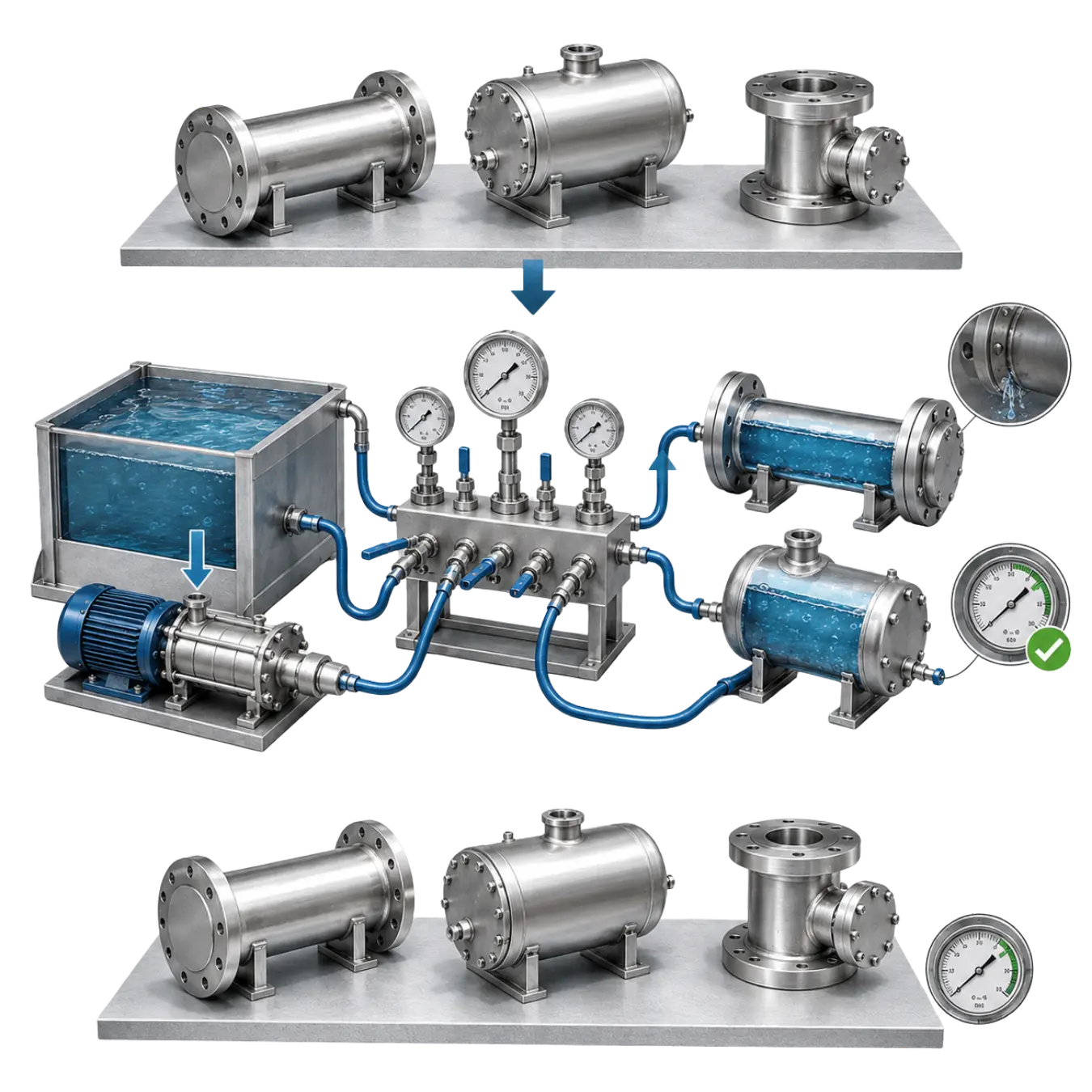
Diagram showing pressure vessels connected to a liquid reservoir, pump, manifold and pressure gauges for hydrostatic testing

What Is Hydro Testing?

Hydro testing, also known as hydrostatic testing, is a controlled pressure testing process that uses water or testing fluids to confirm the integrity of pressurised systems and industrial equipment.

During hydro testing, systems are filled with liquid and pressurised above their normal operating conditions to identify:

  • Leaks and pressure loss
  • Structural weaknesses
  • Faulty welds or connections
  • Material defects
  • System integrity issues

Hydro testing provides a safer and more controlled testing method compared to pneumatic pressure testing because liquids are less compressible and reduce stored energy during the test process.

Hydro Testing Services

Beralon provides hydro testing for a wide range of industrial equipment and systems including:

Pipelines and process lines

Pressure vessels

Tanks and storage systems

Heat exchangers

Boilers and pressure systems

Pipe spools and fabricated systems

Industrial process equipment

Our hydro testing services may include:

Pressure testing and certification

Leak detection and verification

System filling and controlled pressurisation

Test monitoring and inspection

Test reporting and documentation

Dewatering and post-test flushing

Each hydro testing program is developed around the required test pressure, system material, operating environment and project specifications.

Benefits of Hydro Testing

Hydro testing helps businesses to:

  • Verify system integrity before operation
  • Identify leaks and pressure weaknesses
  • Support commissioning and recommissioning activities
  • Improve operational safety and reliability
  • Confirm compliance with testing requirements
  • Reduce the risk of operational failure
  • Validate fabricated or repaired systems before service

Testing and verification are critical for systems operating under pressure where undetected faults can create operational, environmental and safety risks.

Controlled Pressure Testing Procedures

Beralon performs hydro testing using calibrated equipment, controlled pressure monitoring systems and documented testing procedures designed to achieve accurate and reliable results.

Our team applies safe testing methods suited to the pressure rating, operating conditions and equipment configuration involved. Testing programs are managed to minimise operational risk while supporting project schedules, commissioning requirements and shutdown activities.

Hydro testing can be completed independently or integrated into broader cleaning, flushing or commissioning programs depending on project requirements.

Hydro Testing for Commissioning & Shutdowns

Hydro testing is commonly required during:

  • New system commissioning
  • Pipeline installation projects
  • Equipment modifications and repairs
  • Shutdown and maintenance programs
  • Pressure vessel certification works
  • Fabrication and construction activities

Beralon works closely with clients, engineers and project teams to coordinate testing activities efficiently while maintaining compliance with site procedures and operational requirements.

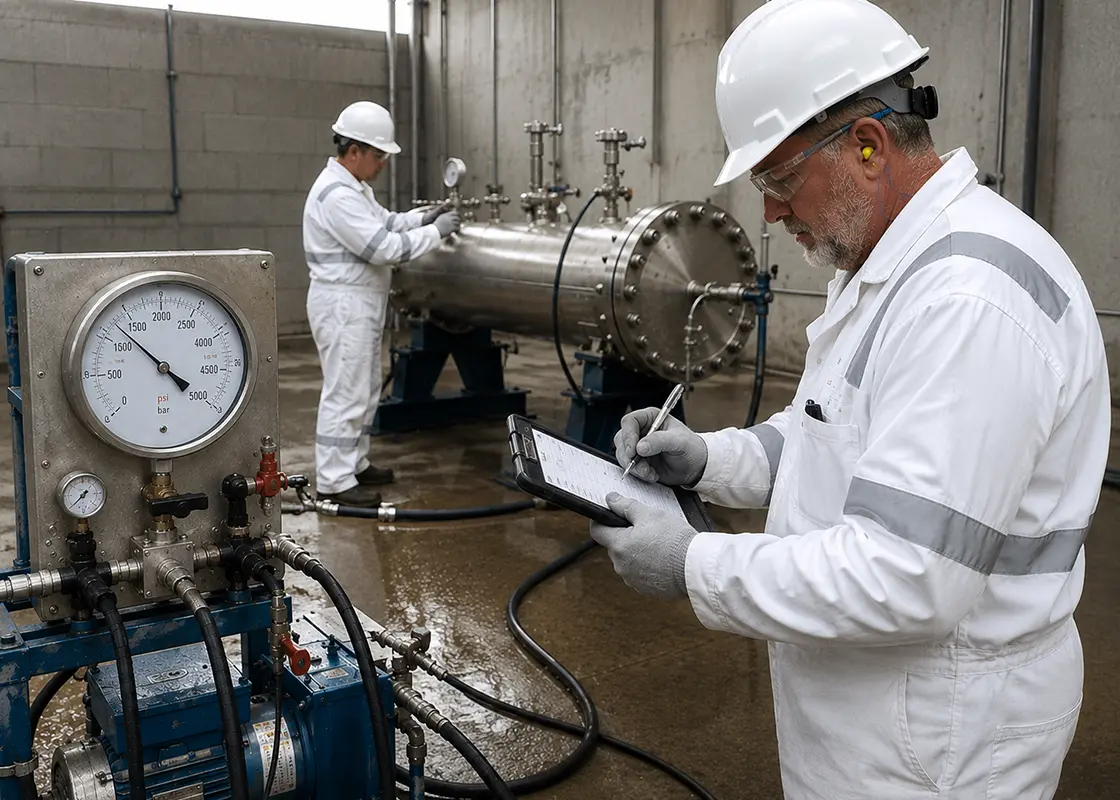
Results of hydro testing are recorded beside pressure monitoring equipment while another technician tests an industrial pressure vessel
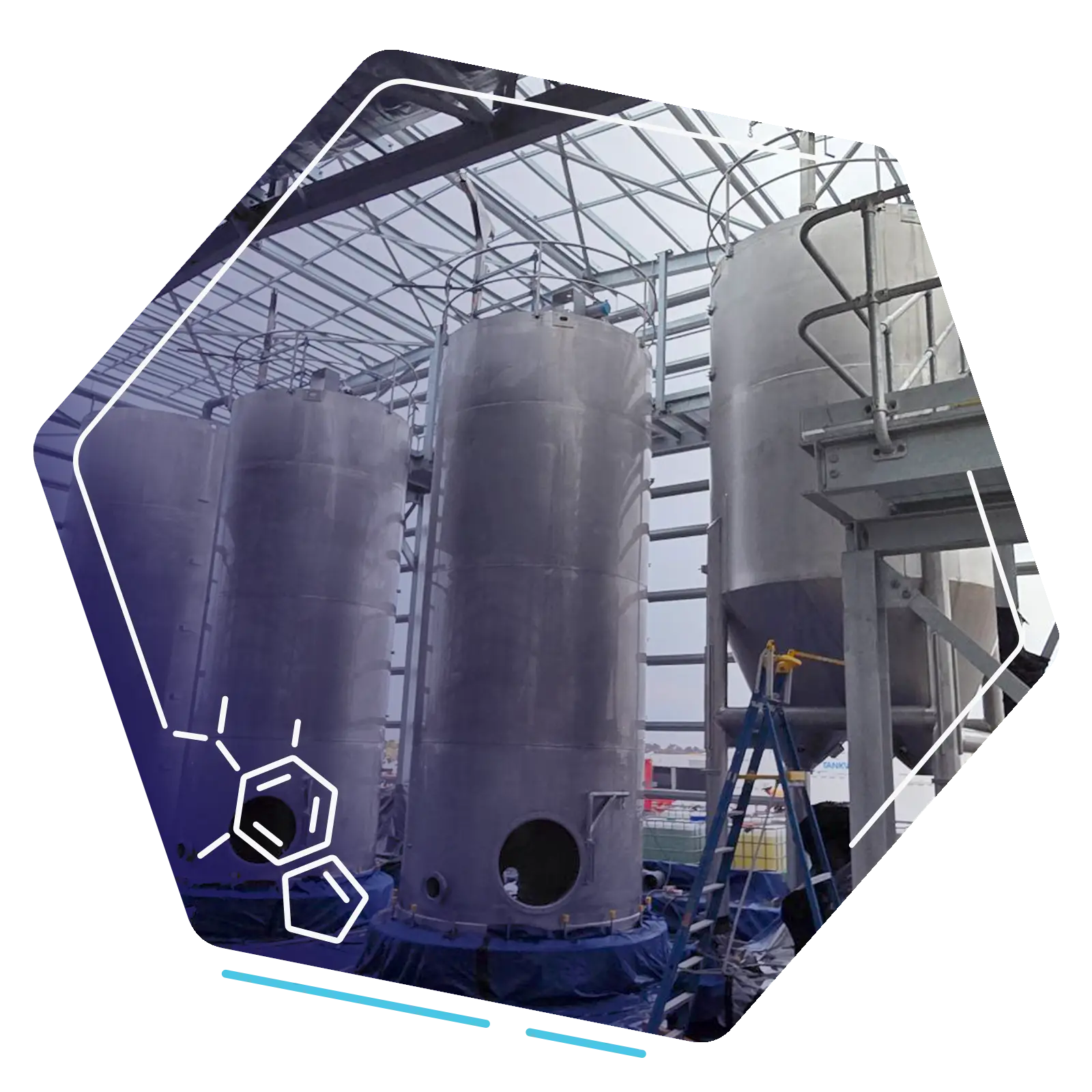
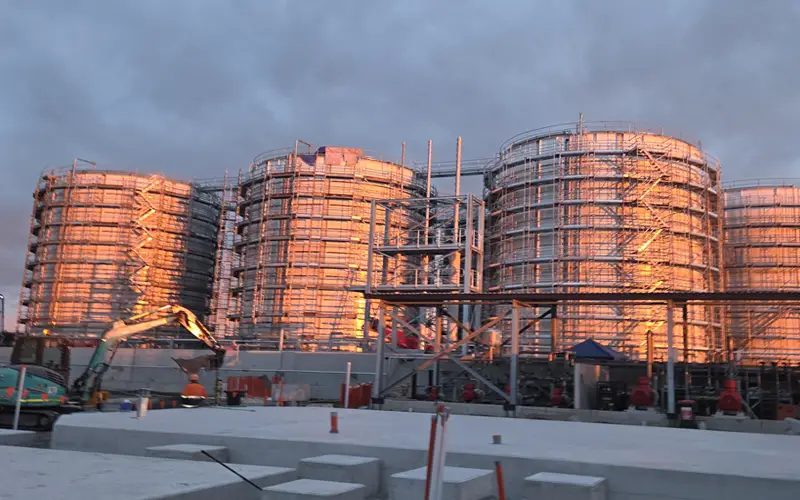
Industries supported by Beralon’s industrial and chemical cleaning services

Industries We Support

Beralon delivers industrial and chemical cleaning services for a wide range of sectors including:

Oil & Gas

Energy & Power Generation

Manufacturing & Processing

Infrastructure & Utilities

Water Treatment Facilities

Industrial Processing Plants

Maritime & Defence

Our services support both large-scale industrial projects and routine maintenance requirements across Australia.

Pressure Testing Expertise

Beralon’s hydro testing services are delivered by experienced technicians using controlled testing systems designed for industrial pressure applications.

Our team understands the importance of accurate pressure verification, safe testing procedures and reliable system validation when preparing industrial systems for operation.

From pipelines and vessels through to process systems and fabricated equipment, Beralon delivers practical testing solutions tailored to the technical requirements of each project.

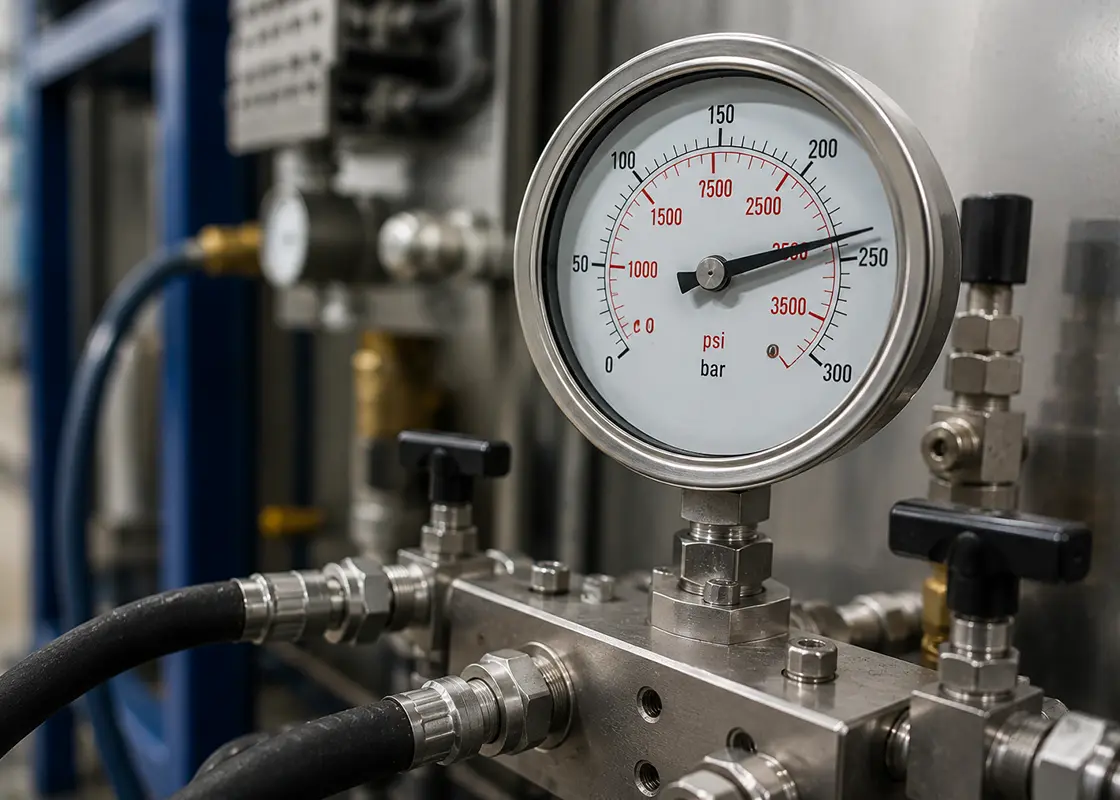
Close-up of a pressure gauge and test manifold used for hydrostatic pressure monitoring
Beralon industrial and chemical cleaning services across Australia

Hydro Testing Services Across Australia

Beralon provides hydro testing services throughout Australia for commissioning works, maintenance programs, shutdown projects and industrial pressure verification activities.

From pipelines and tanks through to boilers, heat exchangers and pressure systems, Beralon delivers reliable hydro testing solutions designed to support safe operation, compliance and long-term system reliability.

Frequently Asked Questions

Hydrostatic testing is a pressure-testing method that uses water or another suitable liquid to check the integrity of equipment such as pipelines, tanks, vessels and pressure systems. The equipment is pressurised under controlled conditions and monitored for leakage or other signs of failure.

Hydrostatic testing may be required during commissioning, after repairs or modifications, as part of maintenance or recommissioning, or where project or inspection requirements call for pressure testing.

Hydrostatic testing uses liquid as the test medium, while pneumatic testing uses compressed air or gas. Because compressed gas stores significantly more energy under pressure, the two methods have different risk profiles and suitability depends on the equipment and project requirements.

There is no single test pressure for every system. The required pressure depends on factors such as the equipment design, operating pressure, materials, component ratings and applicable project or testing requirements.

If the equipment does not meet the required test conditions, the cause needs to be investigated before it is accepted for operation. Identified leaks or defects can be addressed before the system is tested again where required.

A properly planned hydrostatic test is intended to verify integrity without damaging sound equipment. Because the system is placed under controlled pressure, the test conditions need to suit the equipment and its design, and existing weaknesses may become apparent during testing.

The timeframe depends on the size and configuration of the system, filling and preparation, pressure stabilisation, required monitoring period, inspection and any dewatering or flushing required afterwards.

The system is depressurised and the test liquid is removed. Depending on the project, further work may include dewatering, flushing, review of the test results and preparation of the system for commissioning or return to service.

Retesting may be required after repairs, alterations or other work that could affect integrity, during recommissioning or when an applicable inspection or testing requirement calls for it. There is no single retesting interval that applies to every pressure system.

Contact Beralon

Need a reliable industrial and chemical cleaning partner?

TOP